35mm Analogue Film Wedding Photographers
Liam & Dominique Shaw
At York Place Studios we're all about real memories, and it doesn't get more real than 35mm film
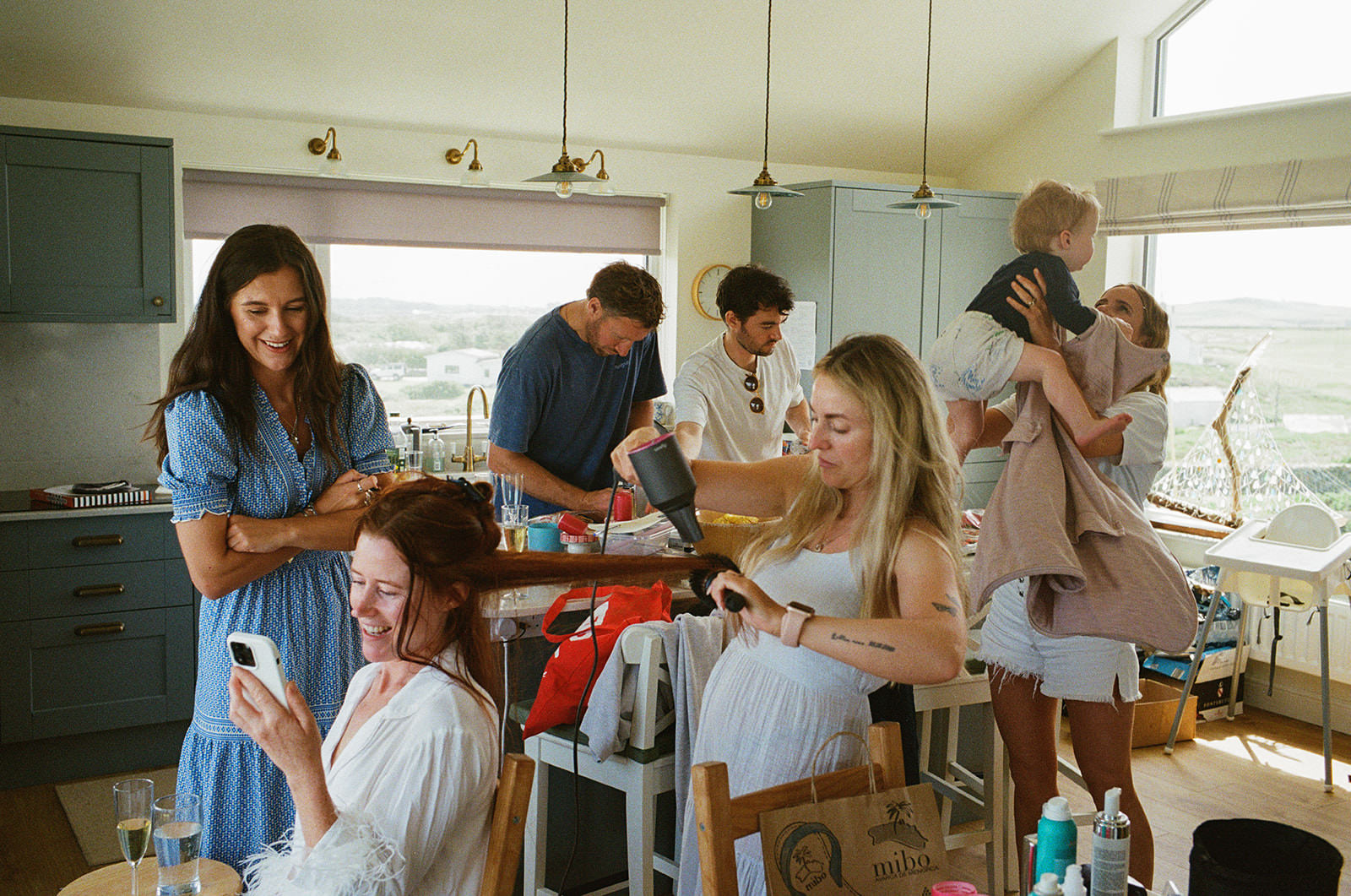
The grain, the almost tangible texture of the image, the excitement of seeing the image emerge for the first time under the glowing red light of the darkroom.
It's like magic.
The nature of working in complex, layered, documentary style photography and prioritising spontaneity over simplicity though means often taking thousands of photographs to get every face and detail aligned, and so digital photography became, inevitablely, the best format for weddings.
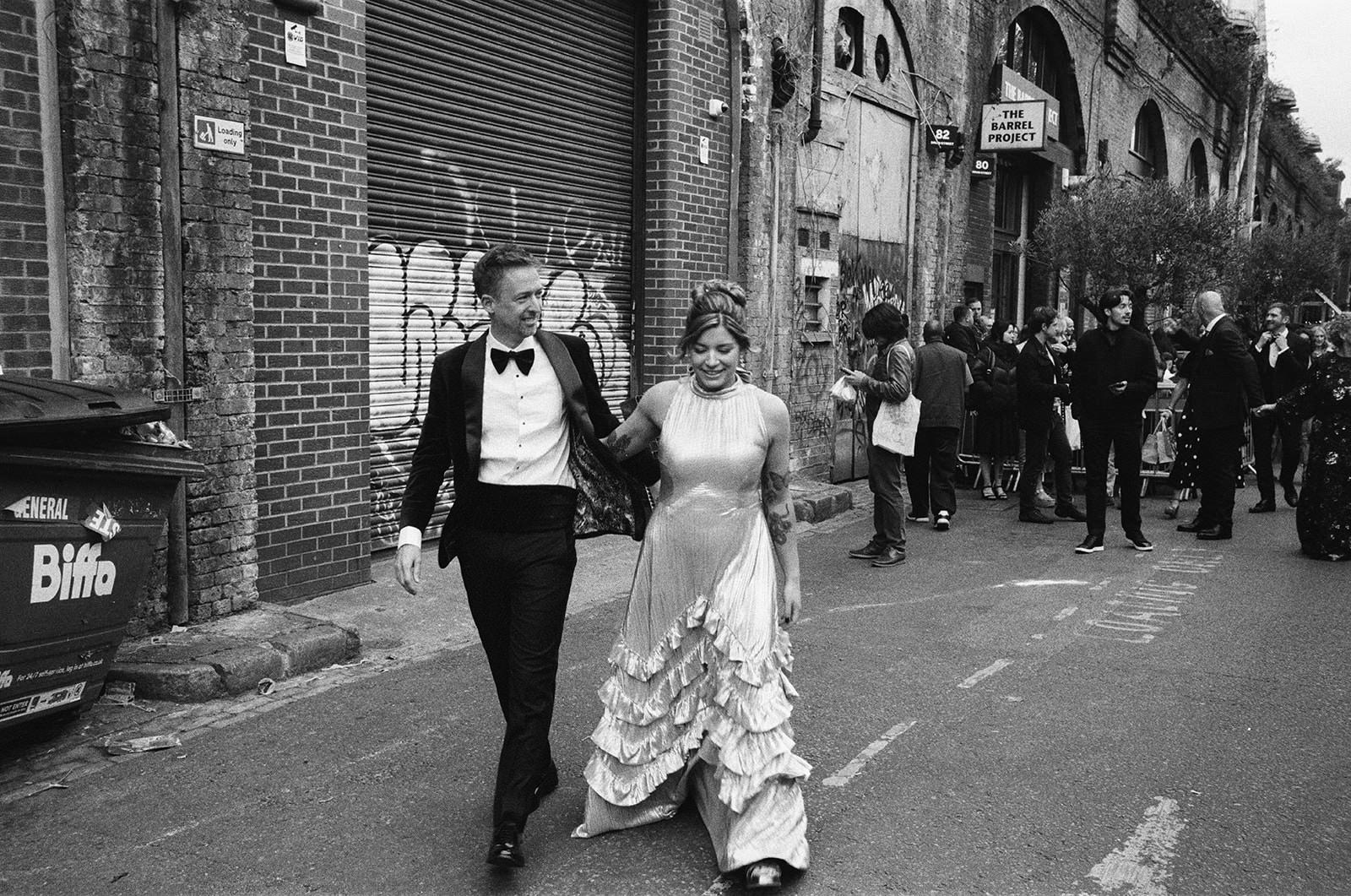
But we never lost our love for film photography and continued to shoot 35mm analogue for many of our personal projects, including street photography with our trusty Leica MP Rangefinder.
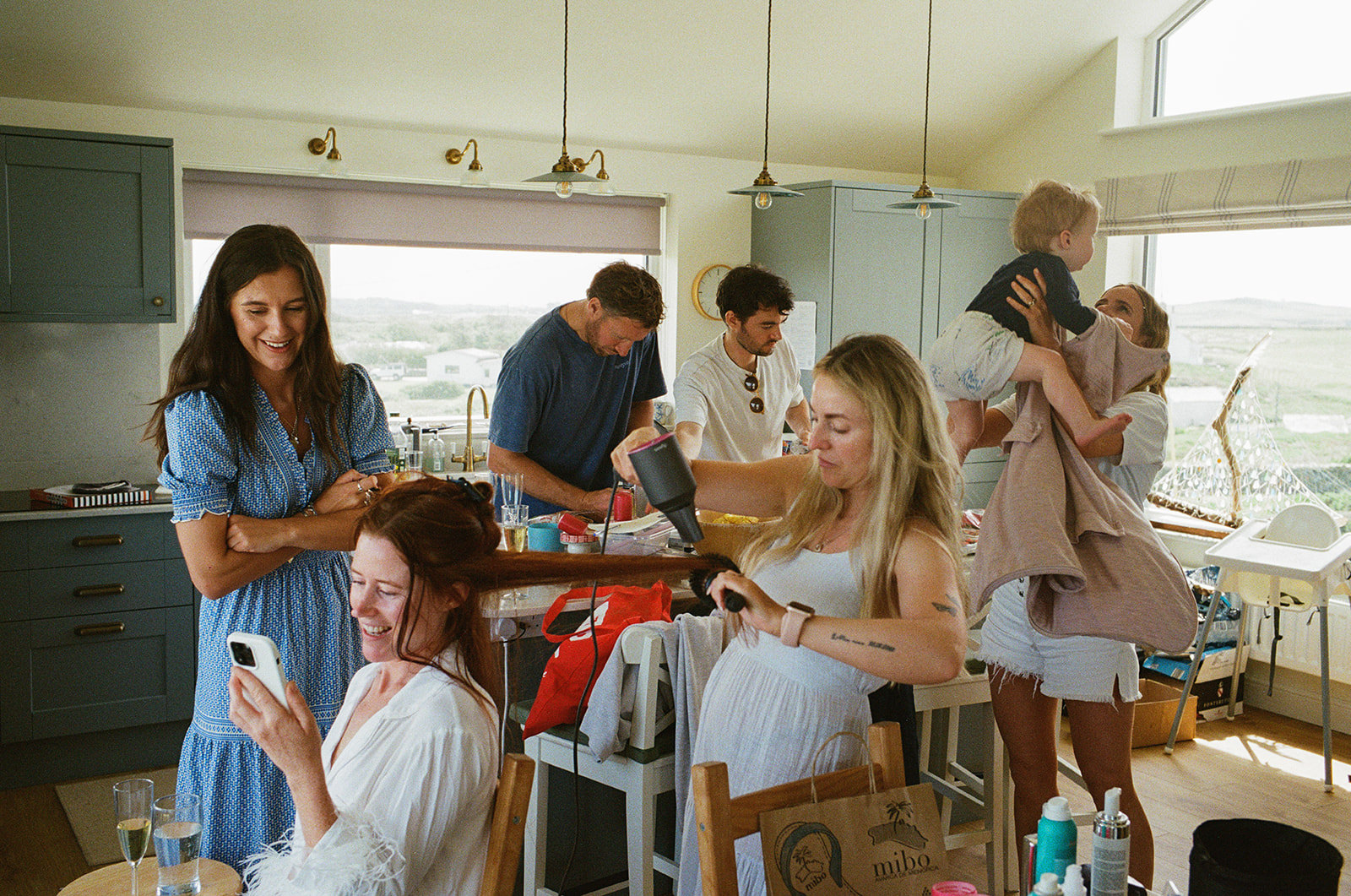
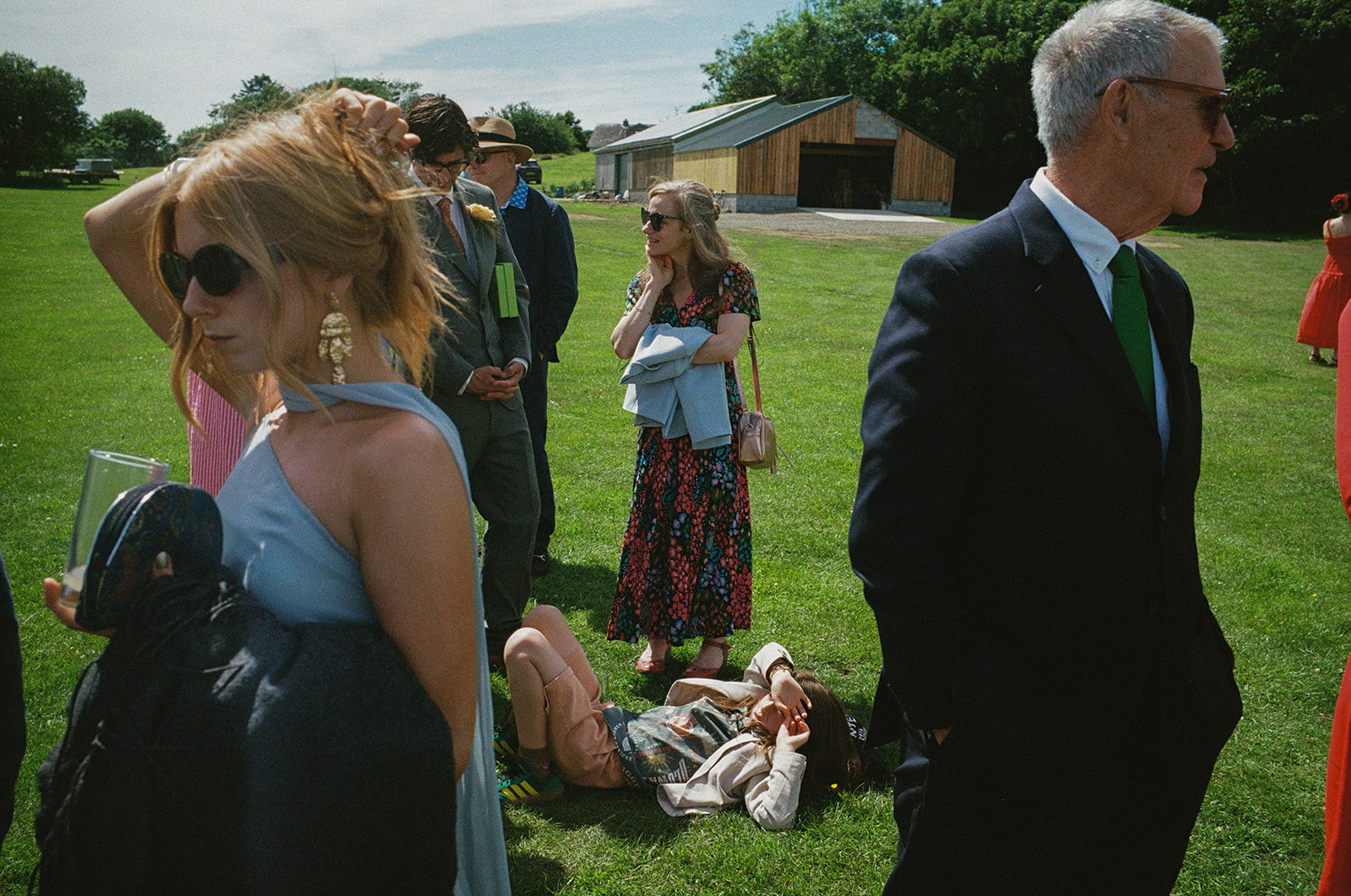
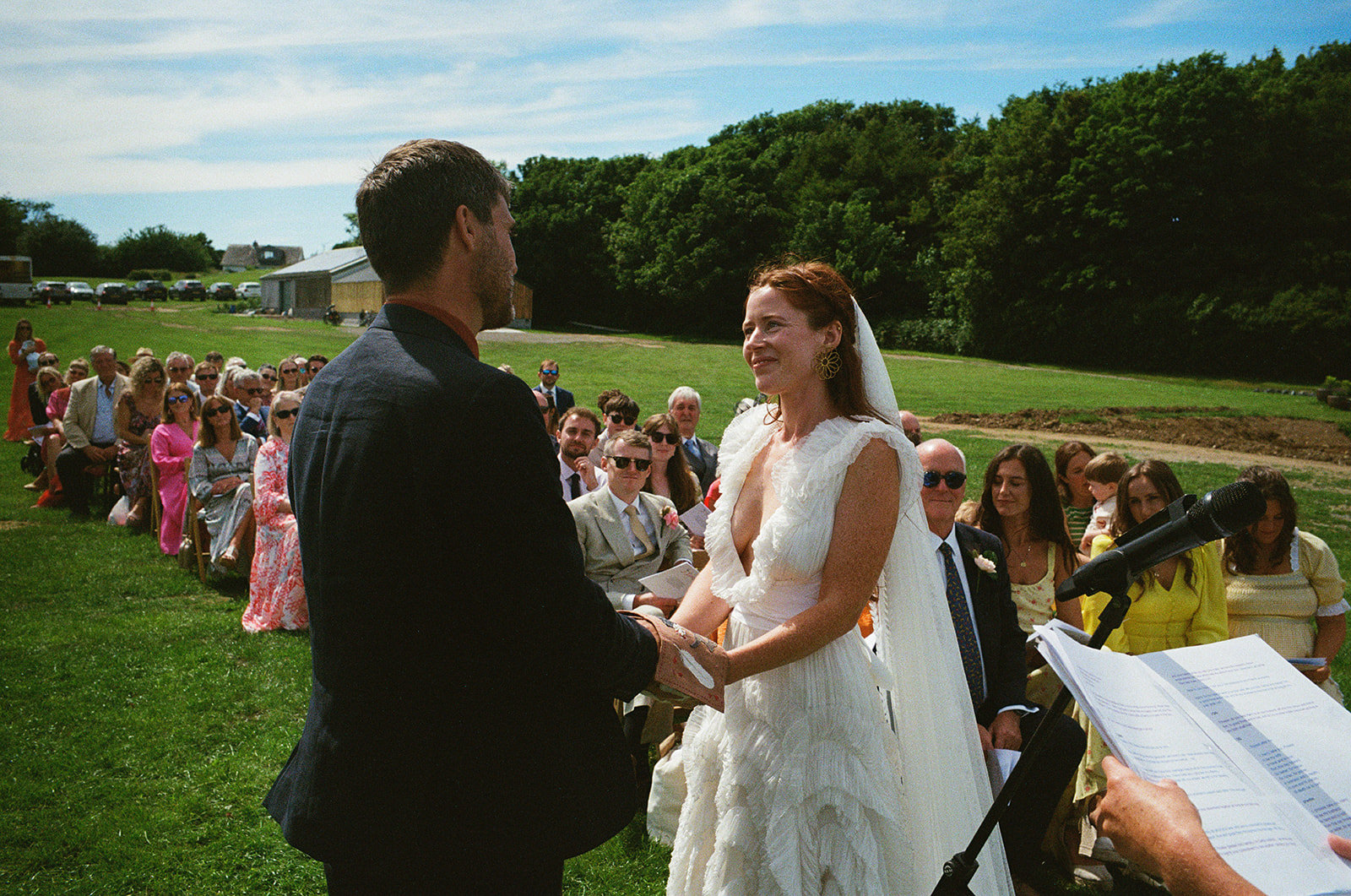
And now we're bringing it back to our wedding work as either a standalone service or as an addition to our digital photography. With two massively experienced photographers, our 35mm Leica rangefinder analogie cameras simply become another seamless part of our documentary approach. There are no awkward pauses or announcements that we are 'switching to film.' We capture the entire narrative of your day across both formats. It means that alongside an incredibly comprehensive digital collection, you also receive a beautifully curated, start-to-finish story of your celebration told purely through the timeless, nostalgic lens of analogue film.

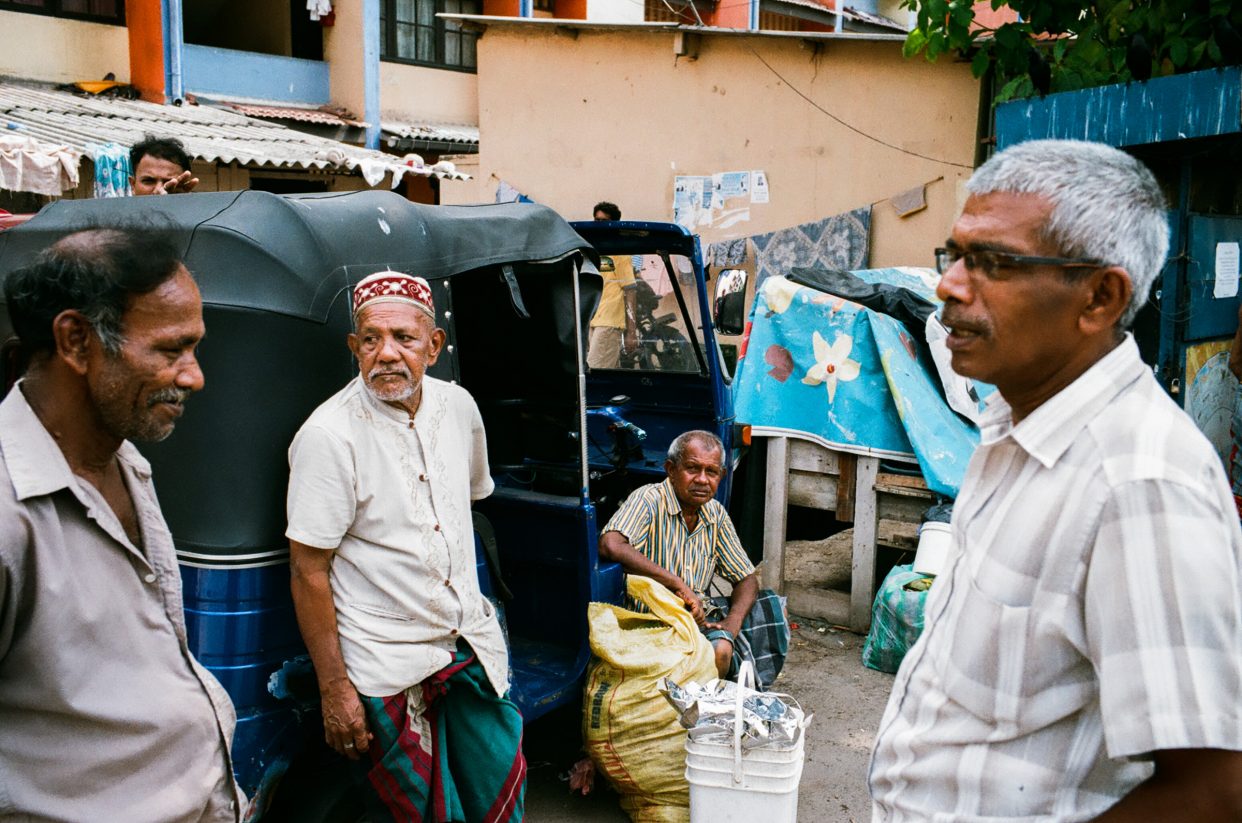
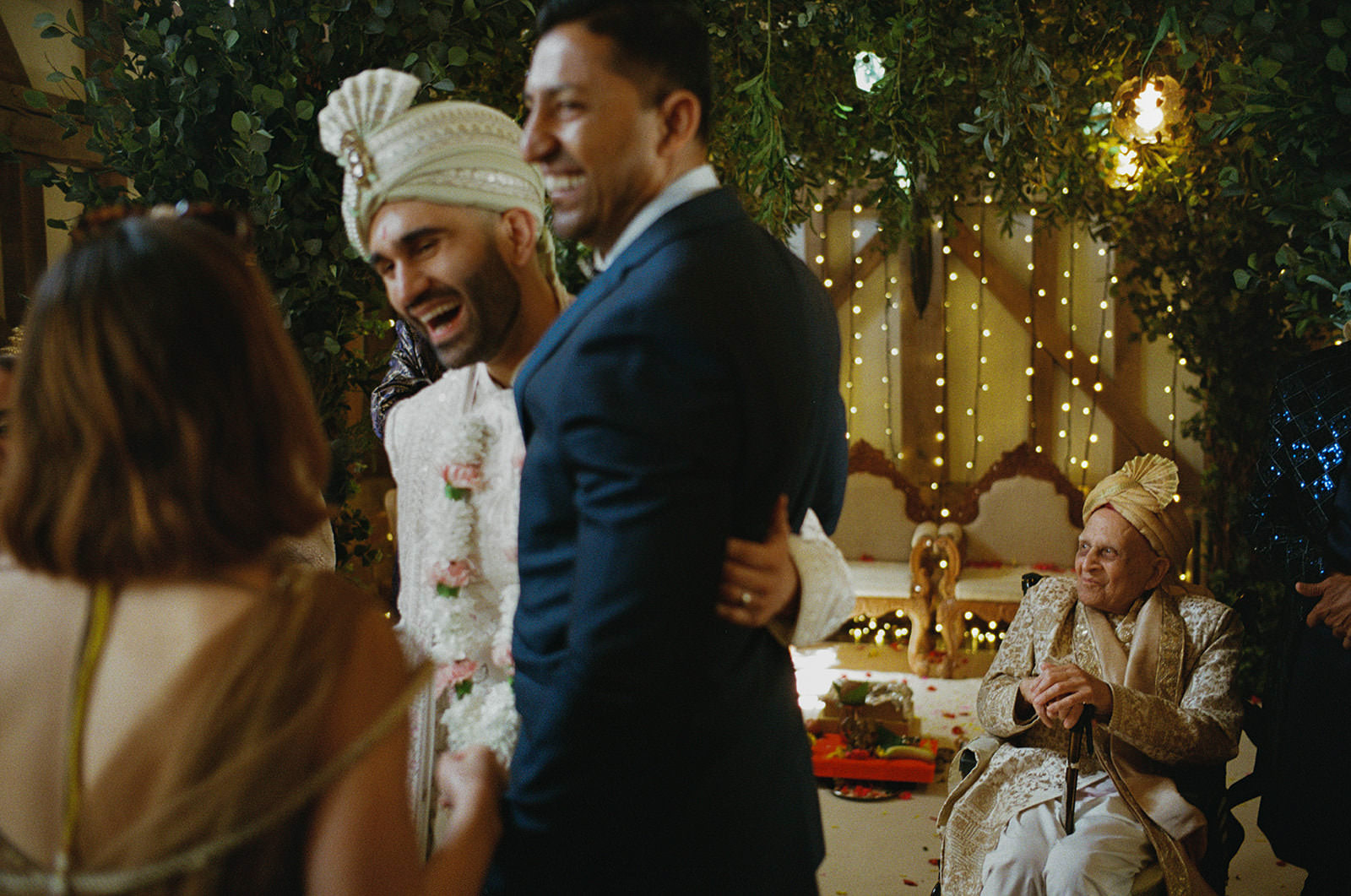
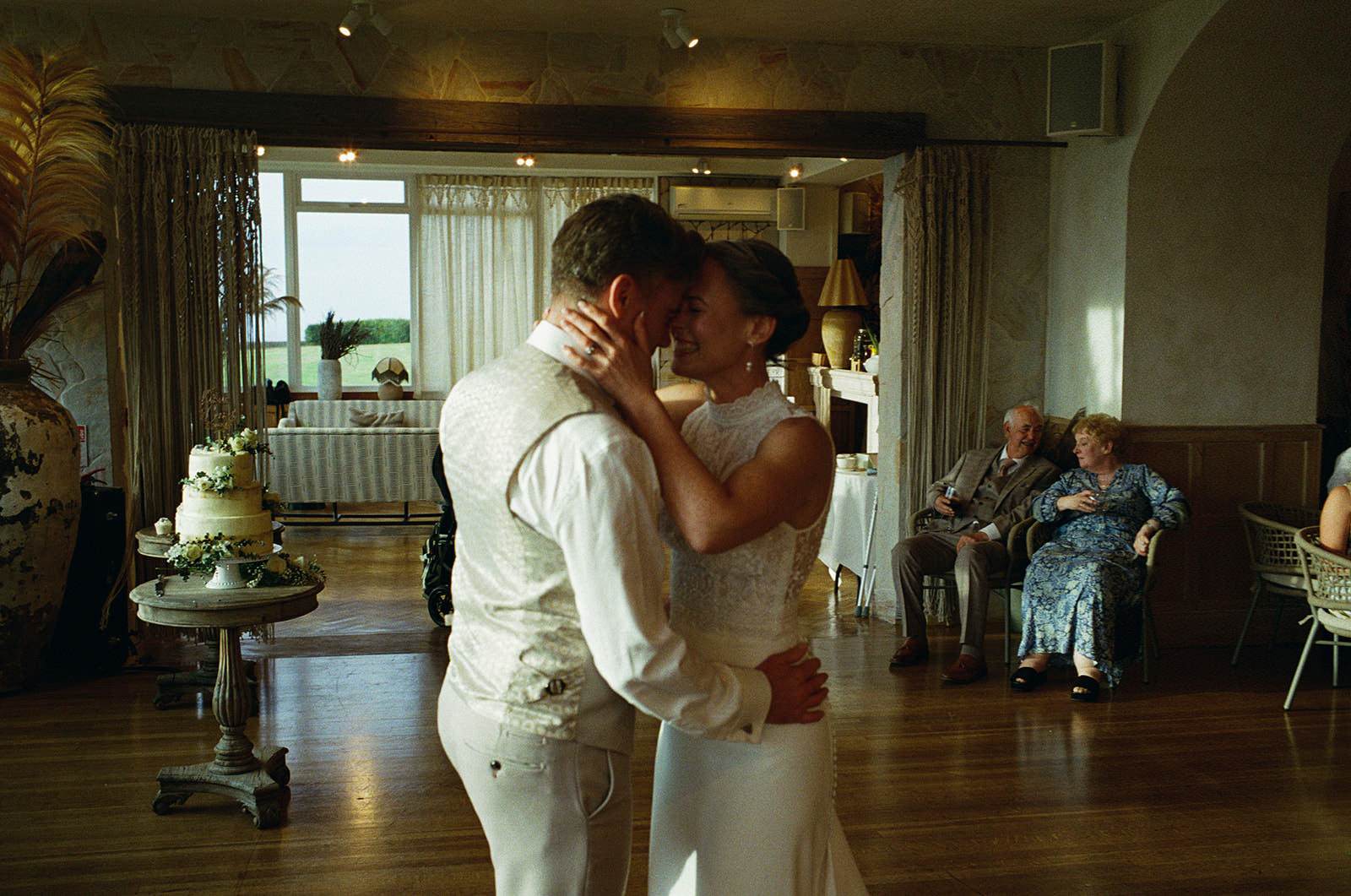
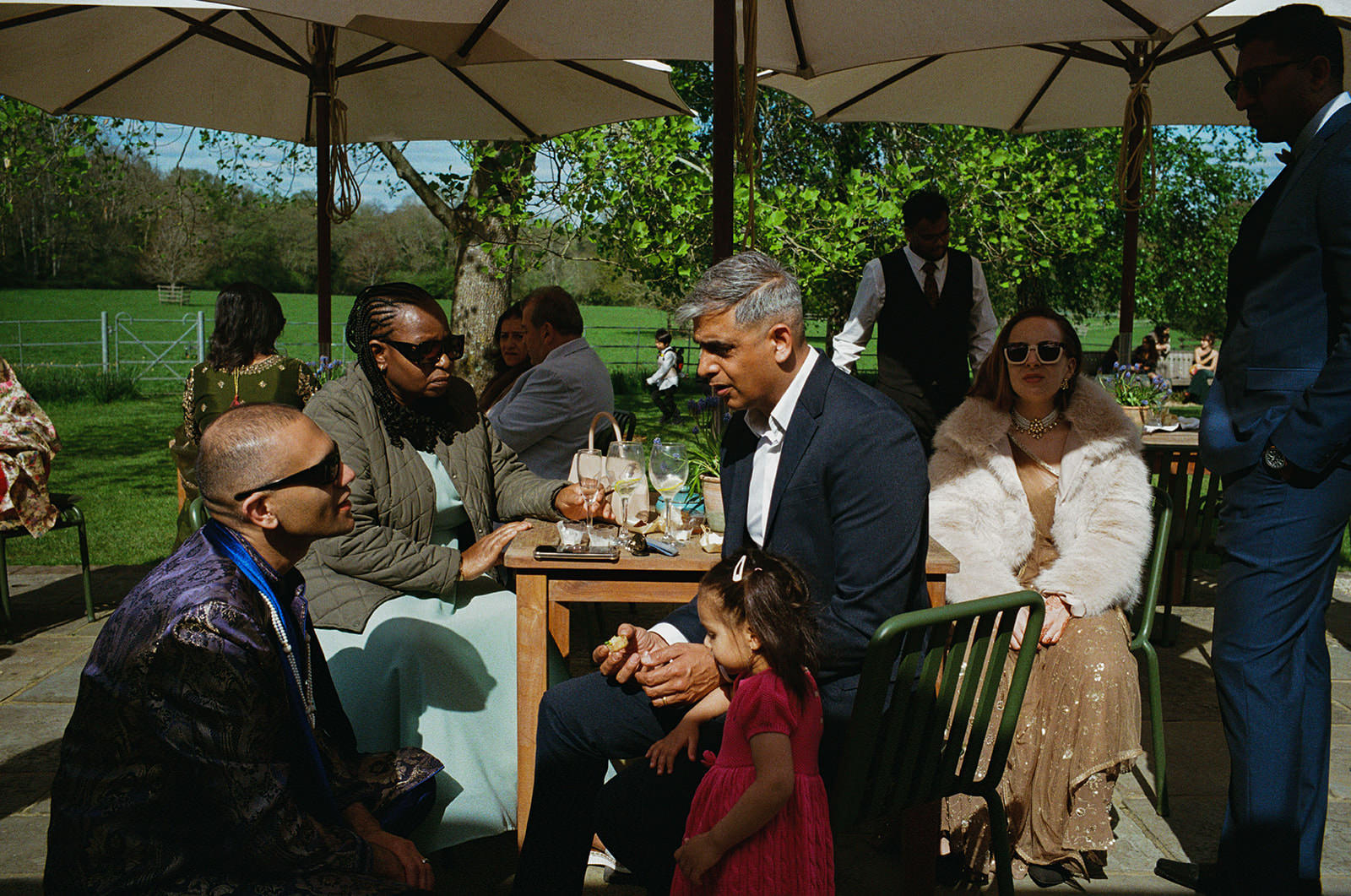
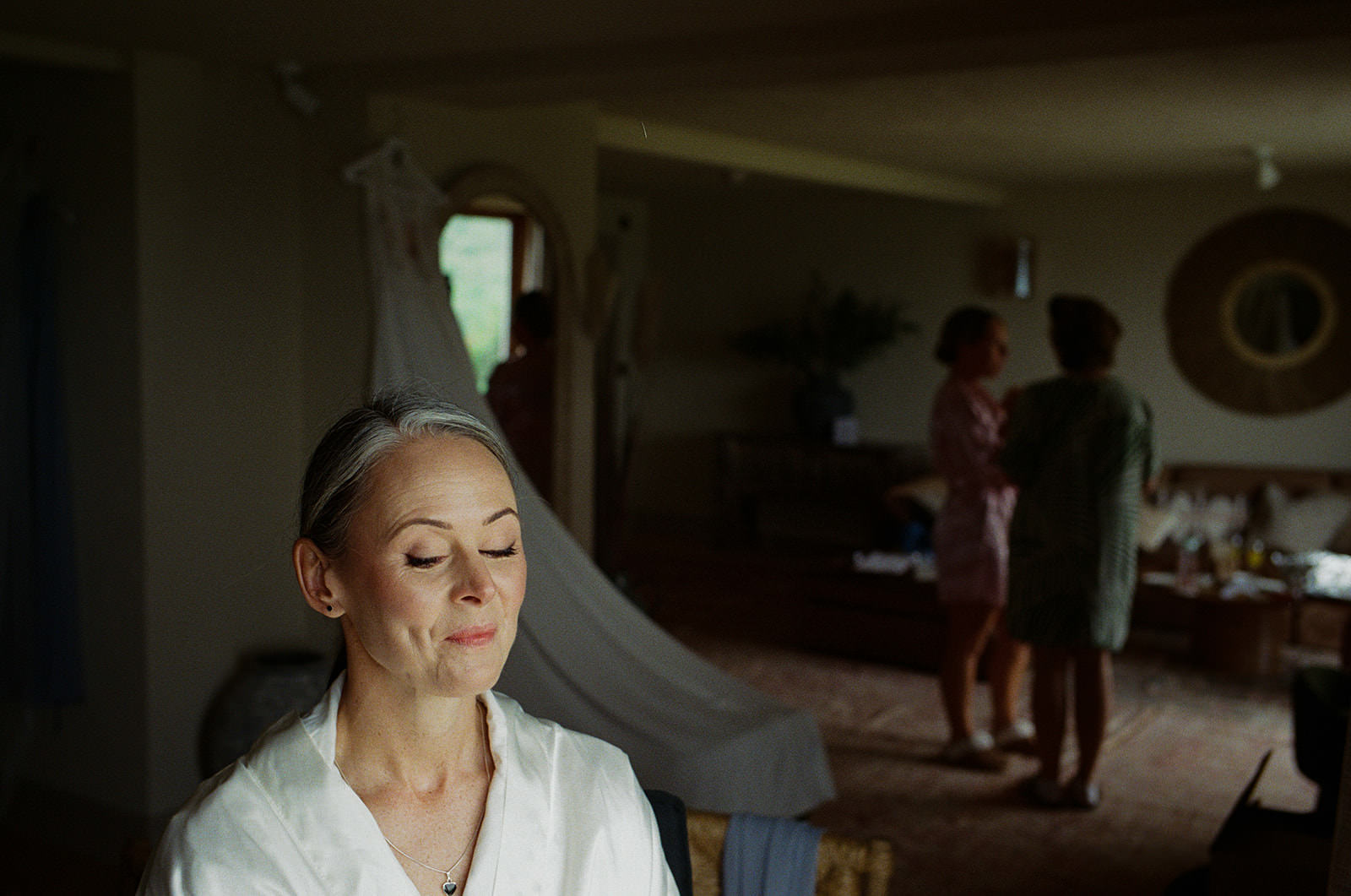
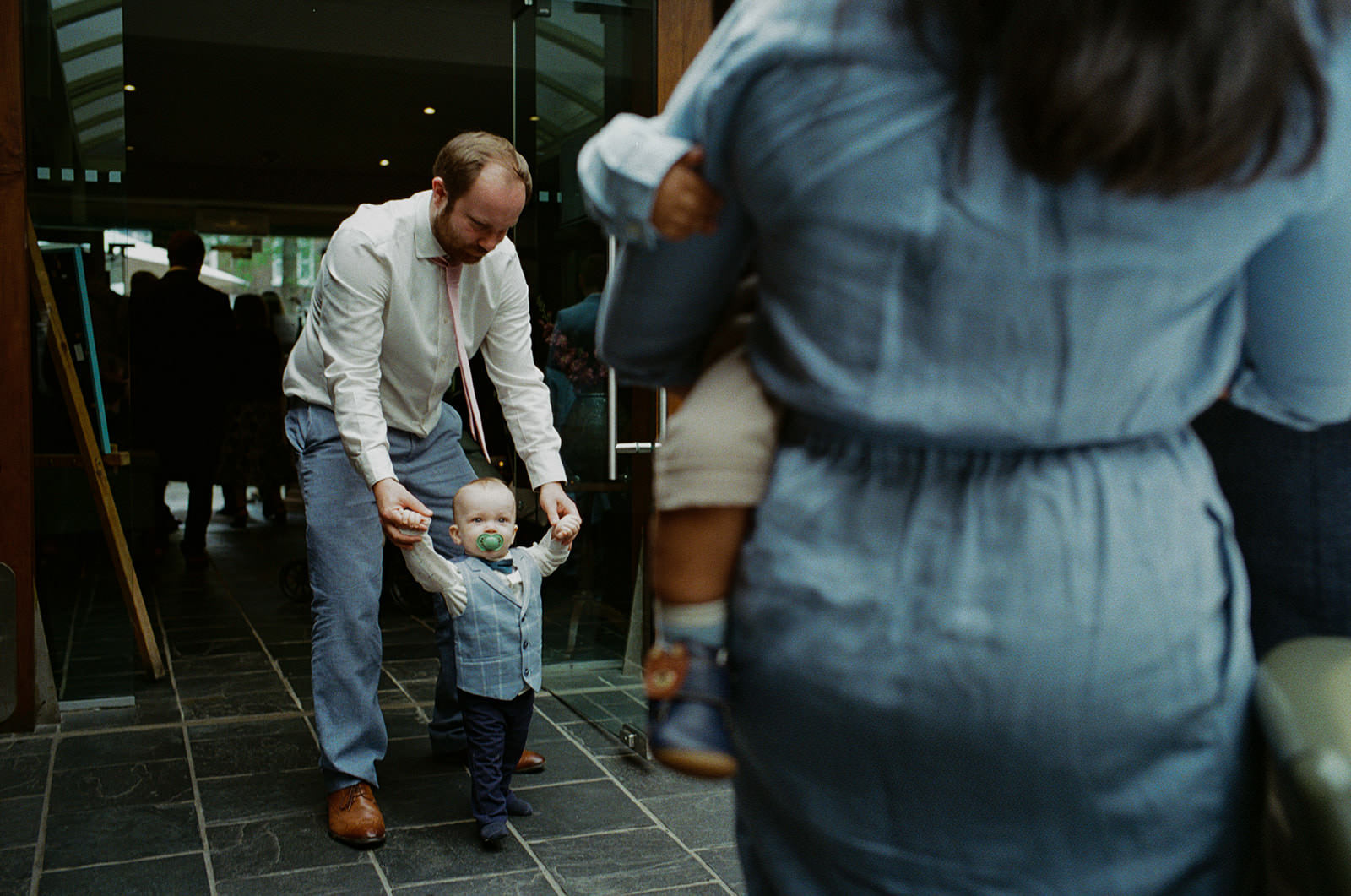
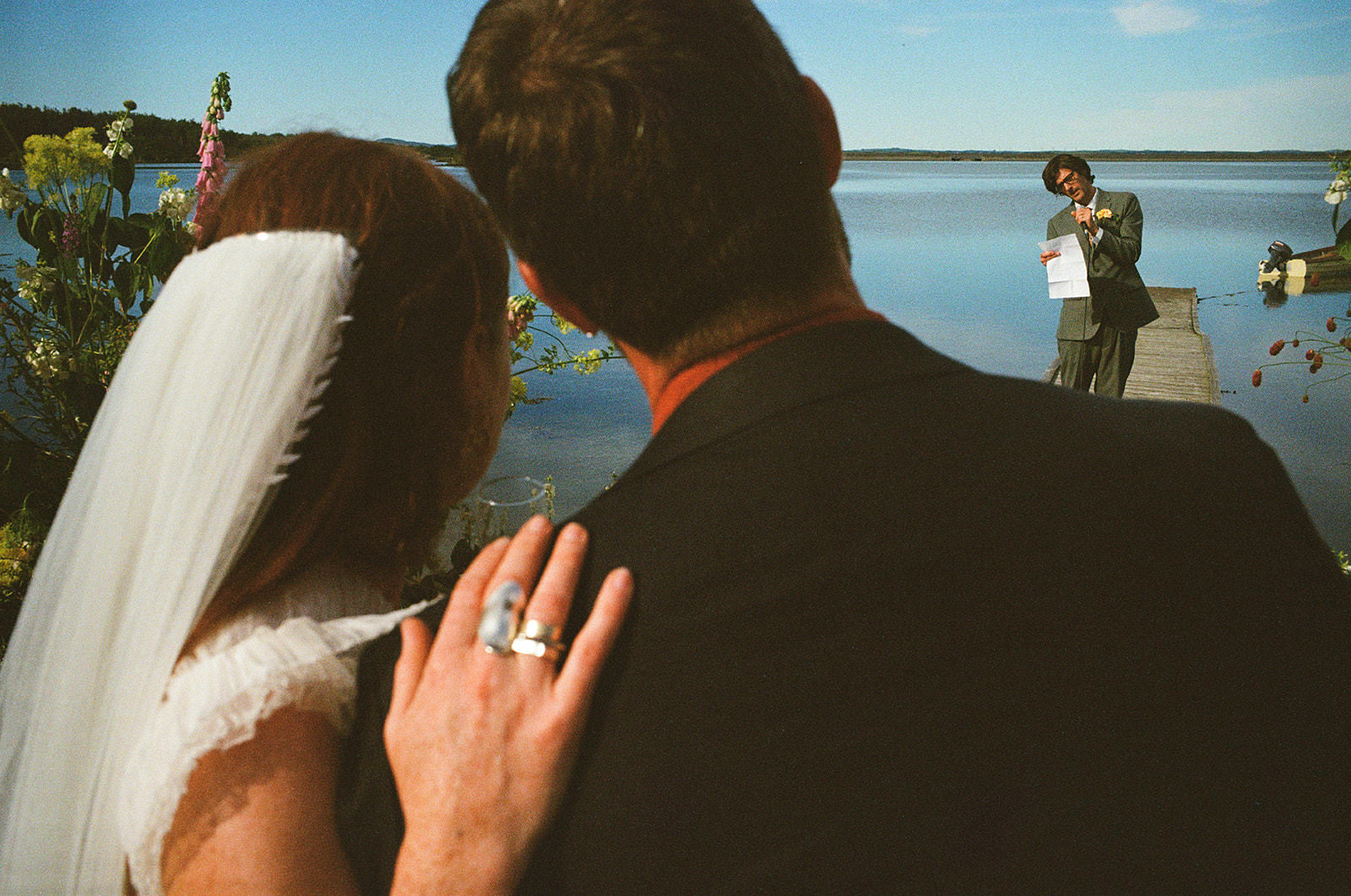
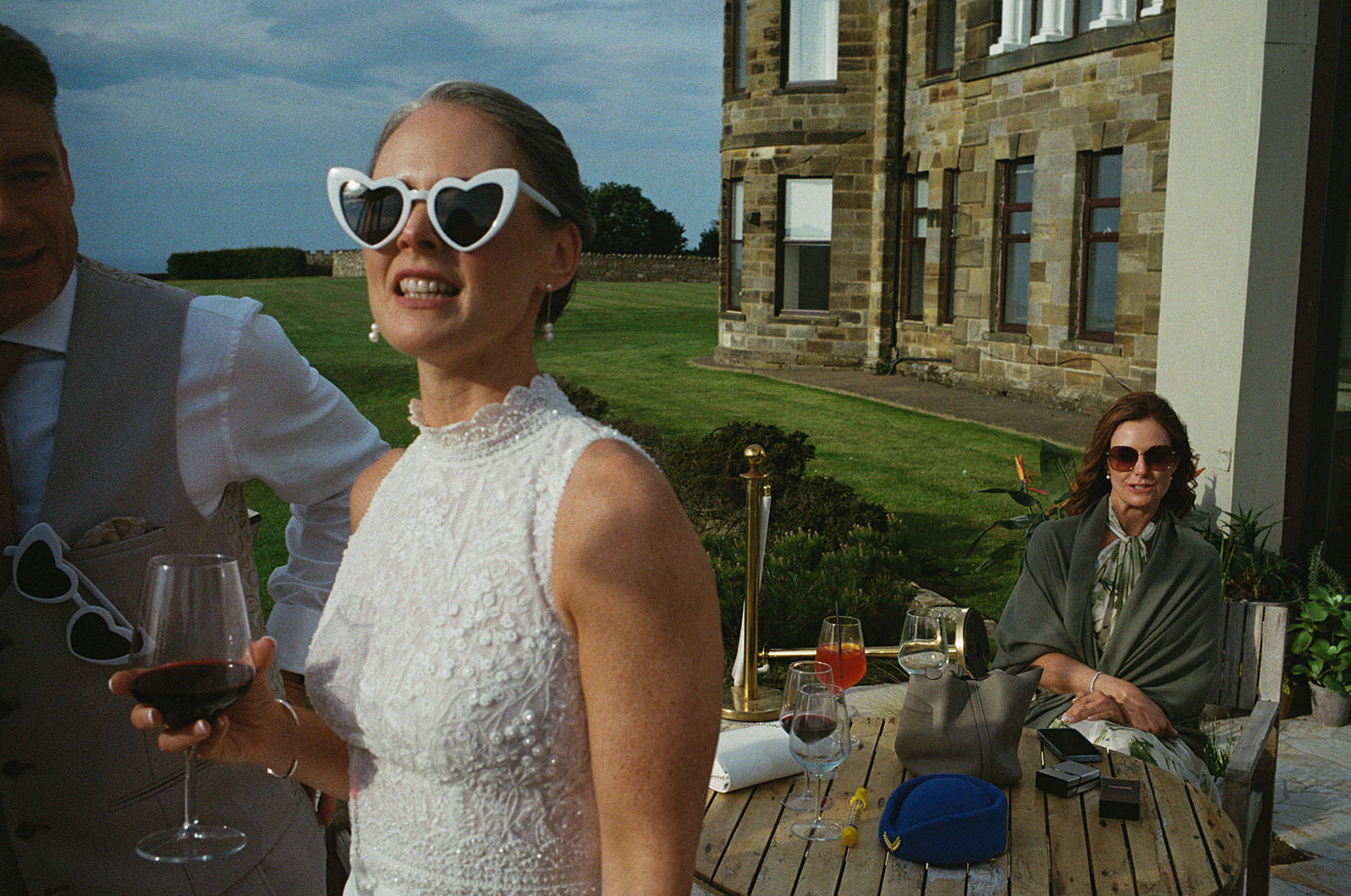
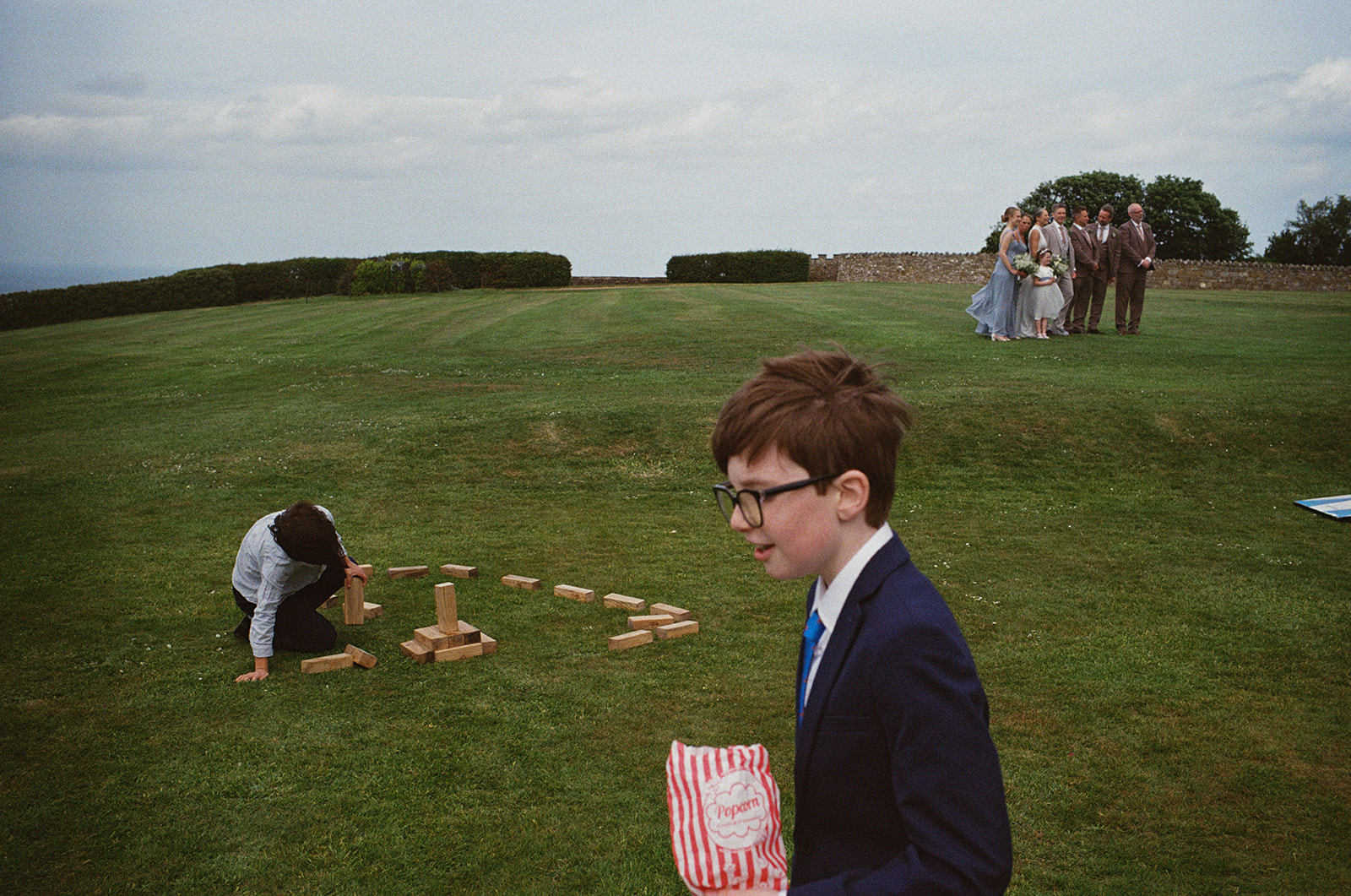
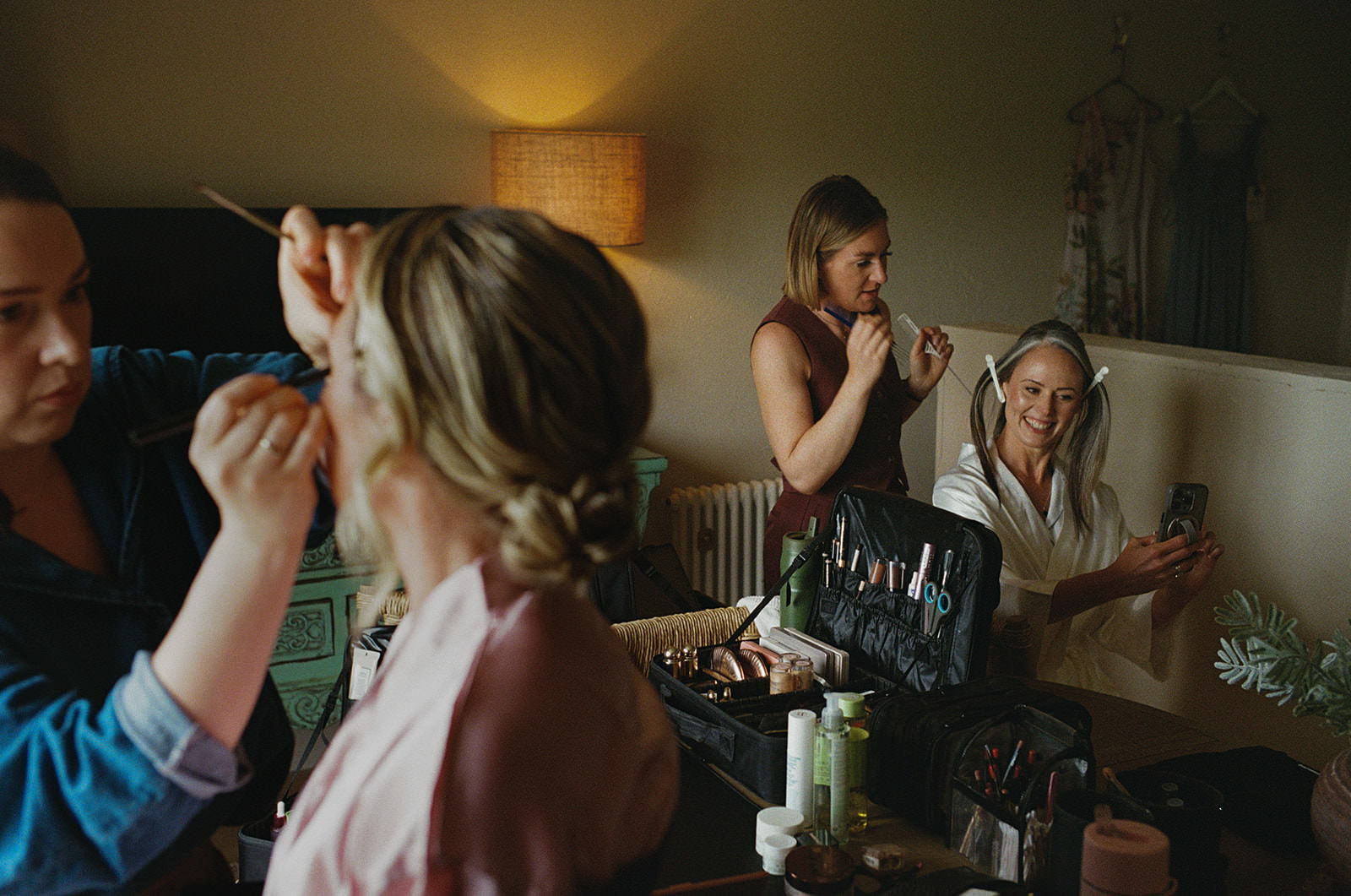
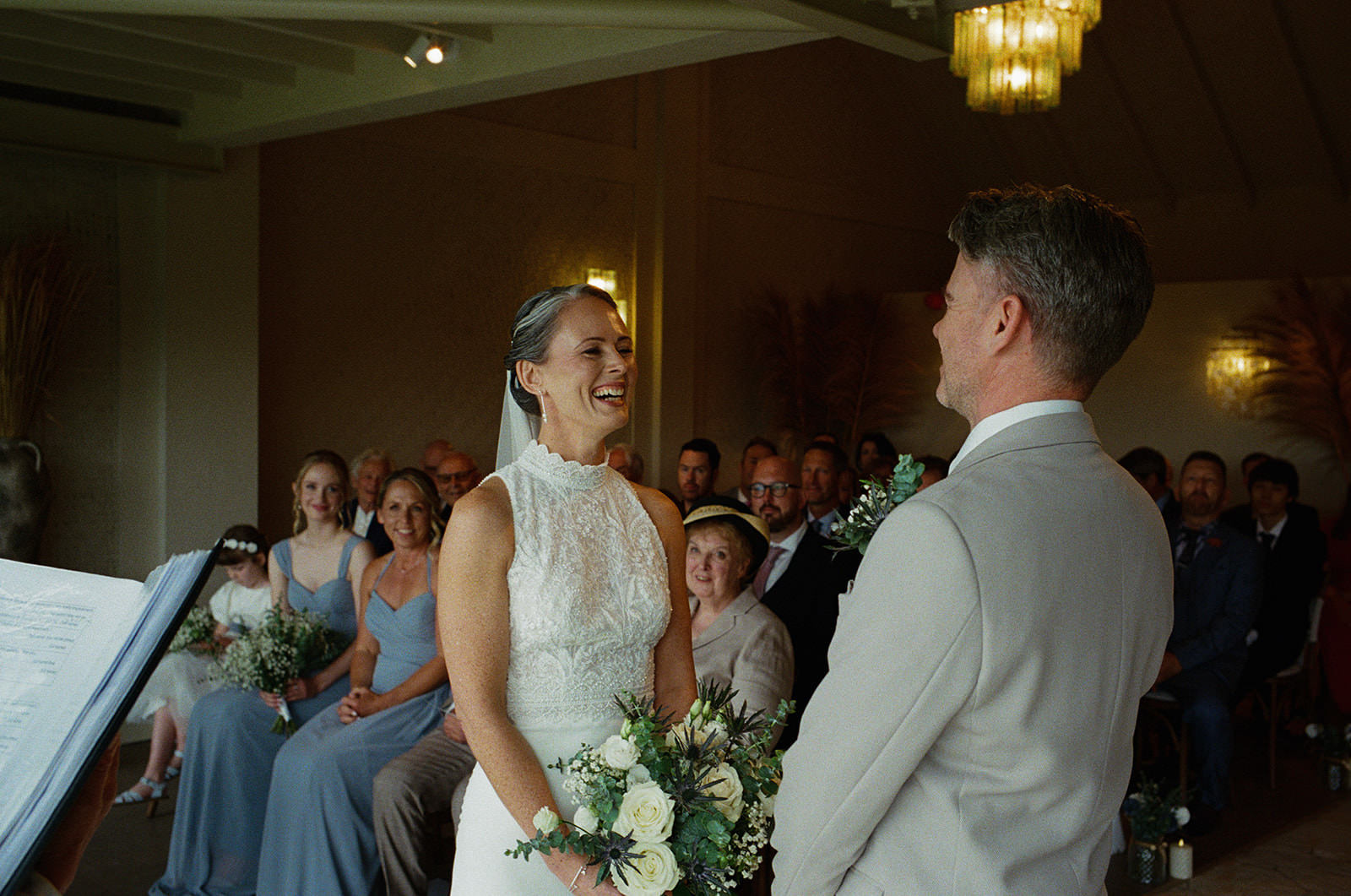
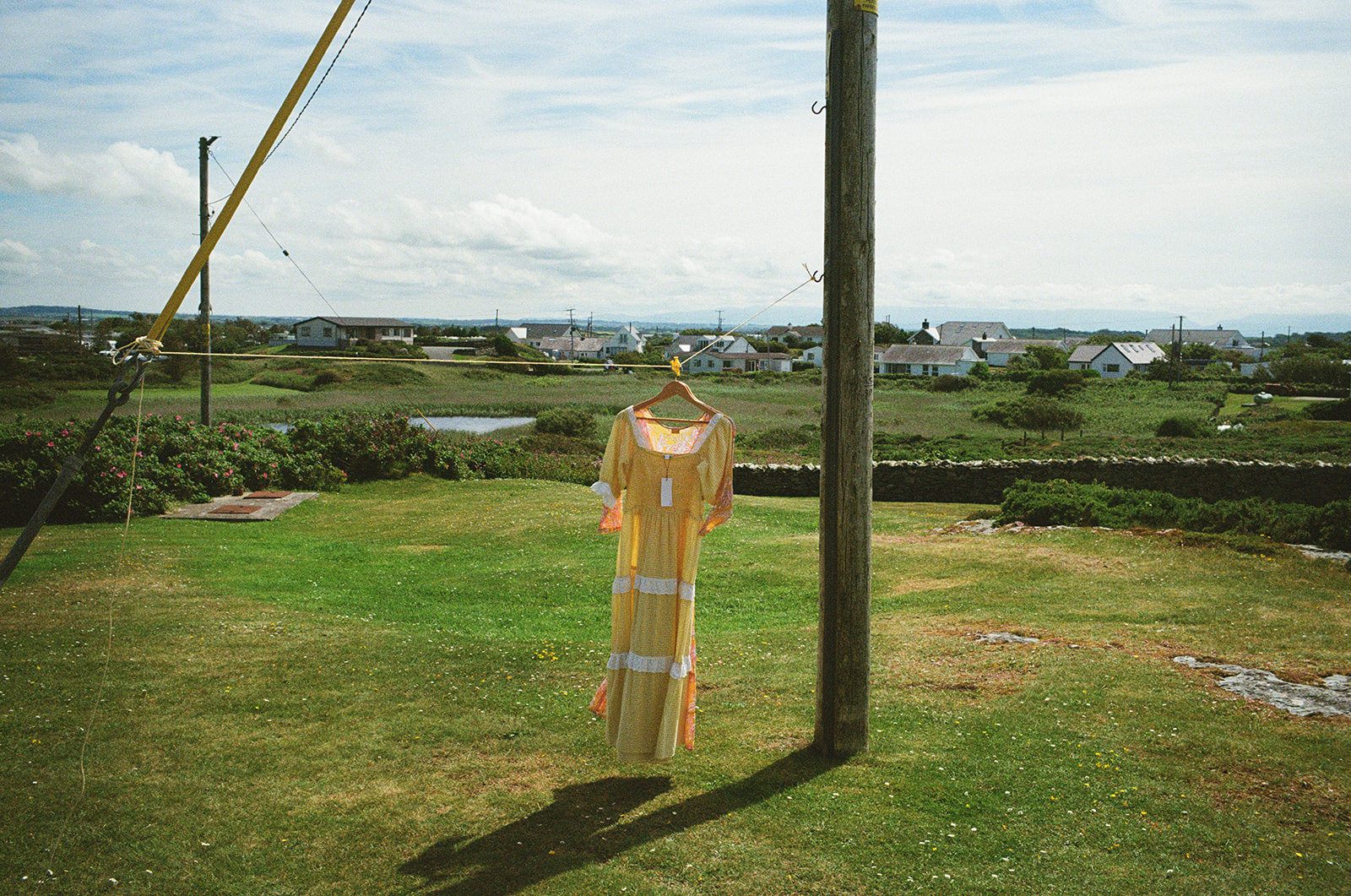
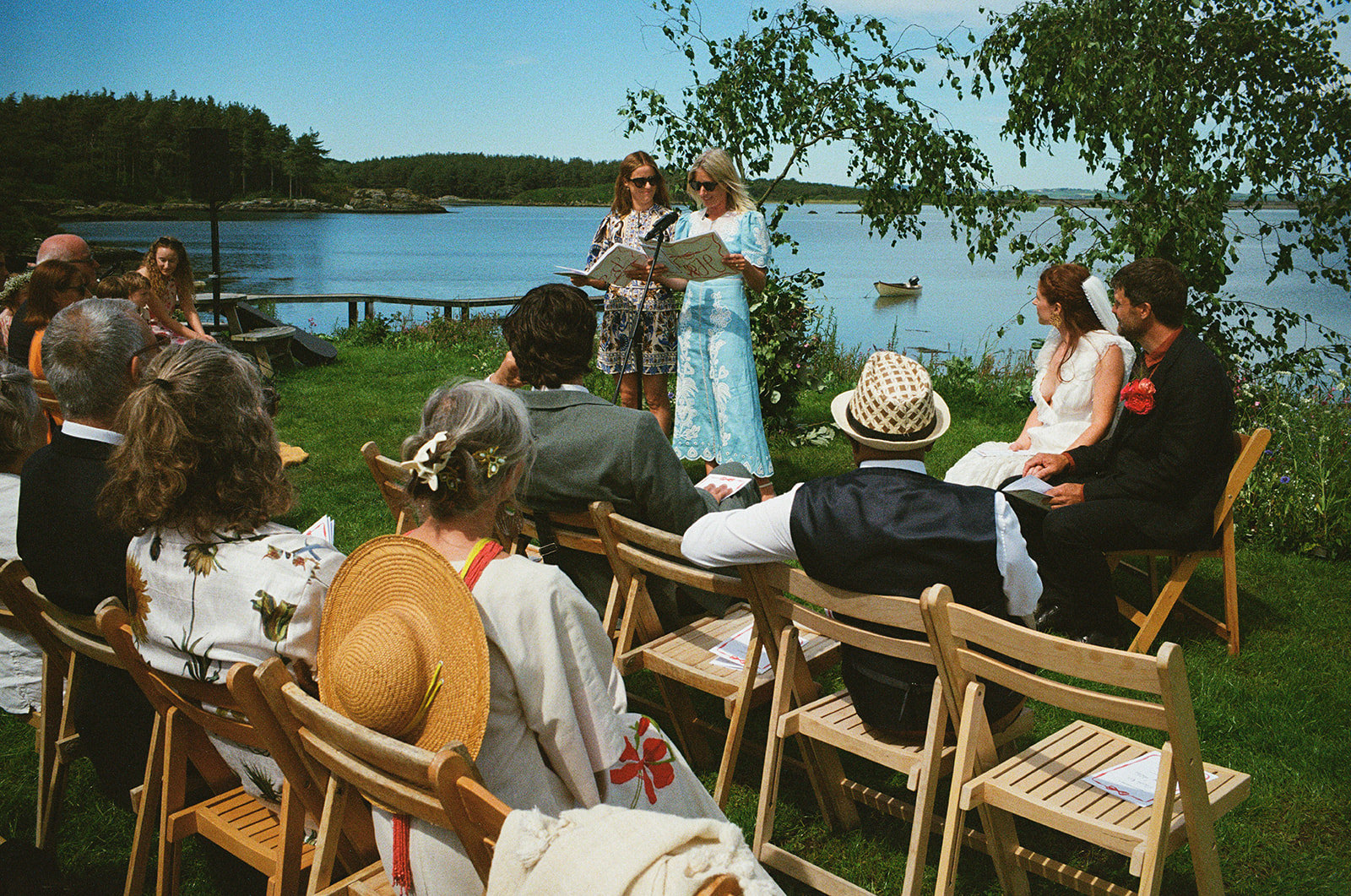
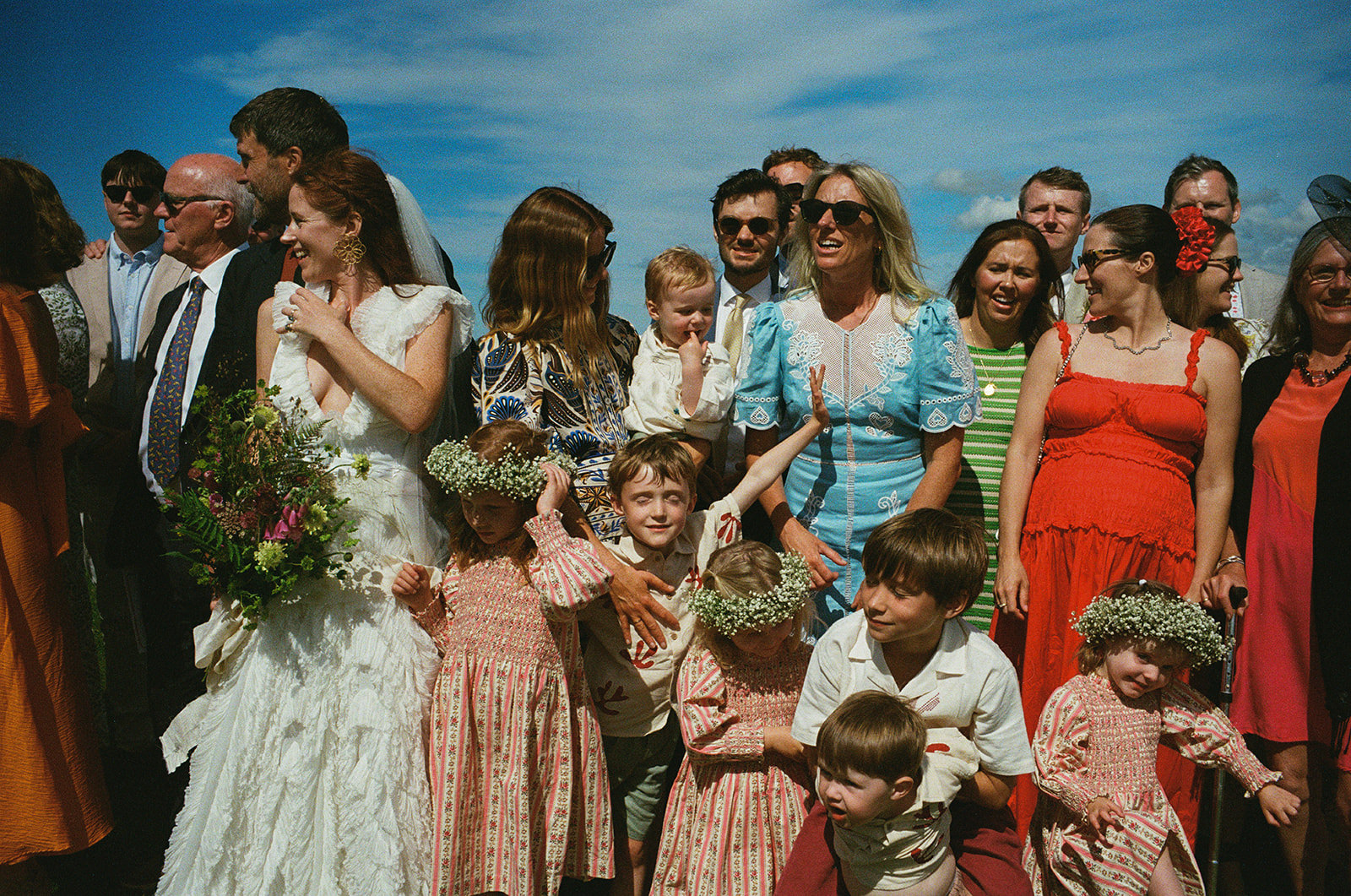
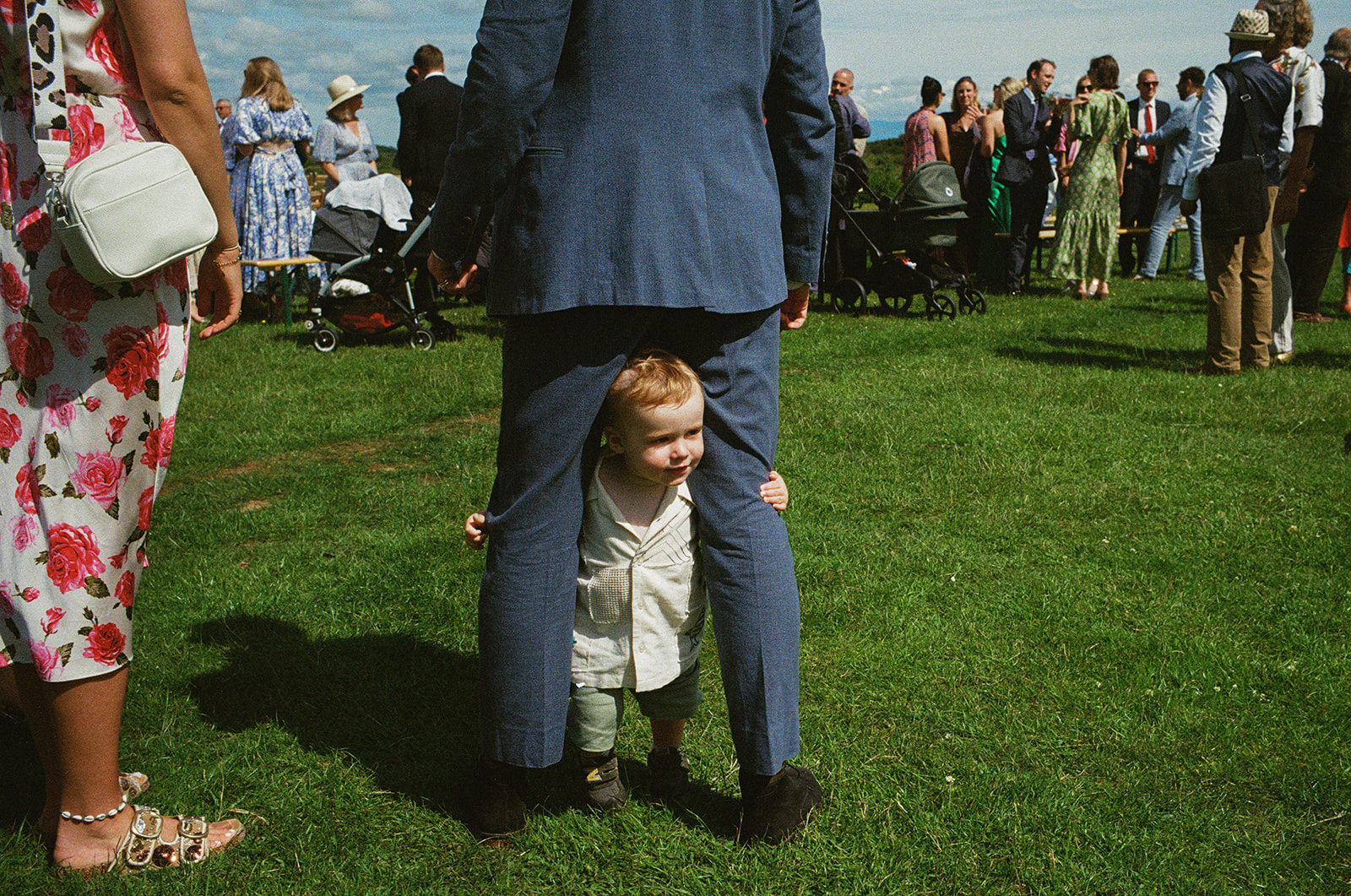
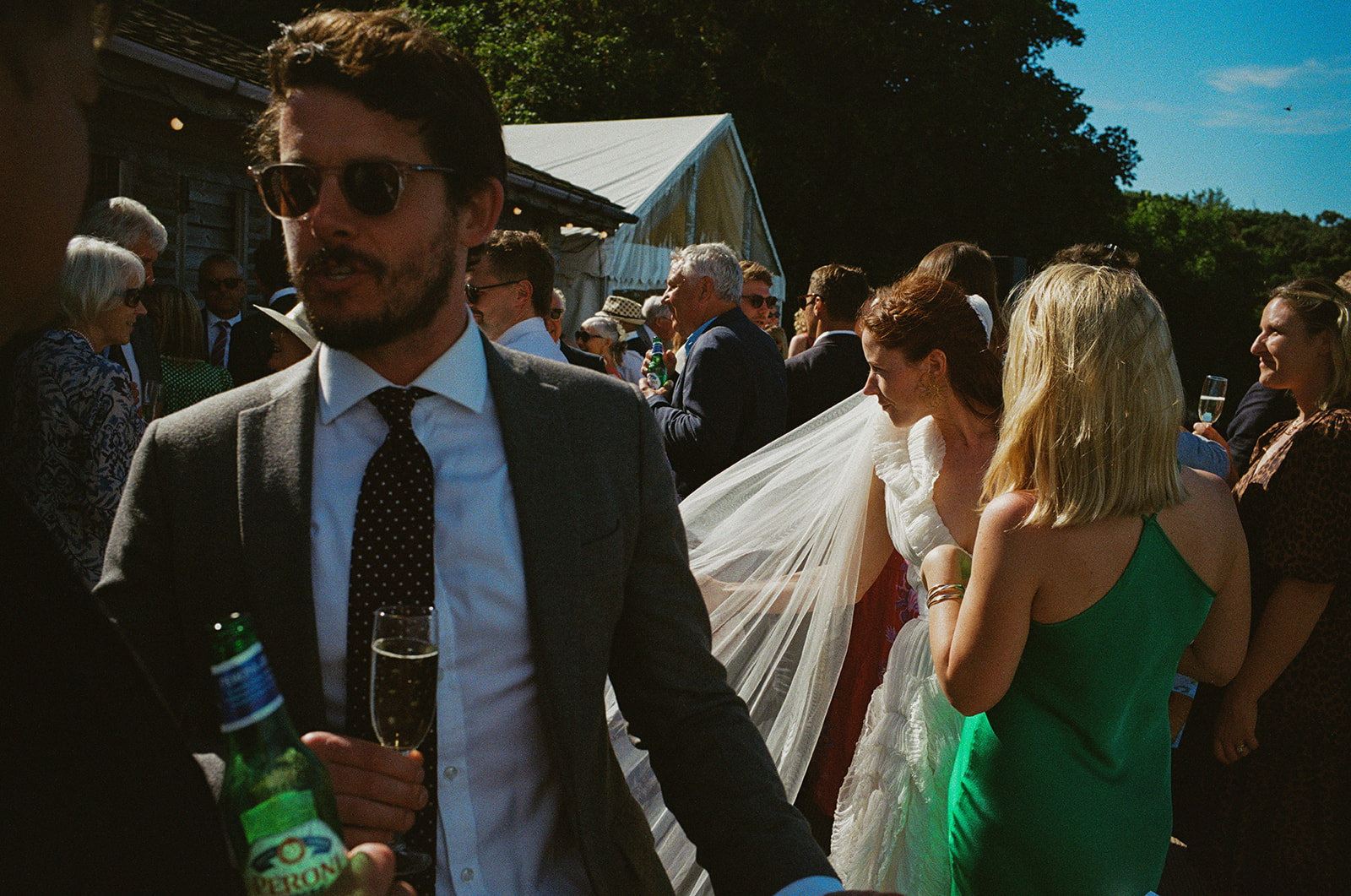
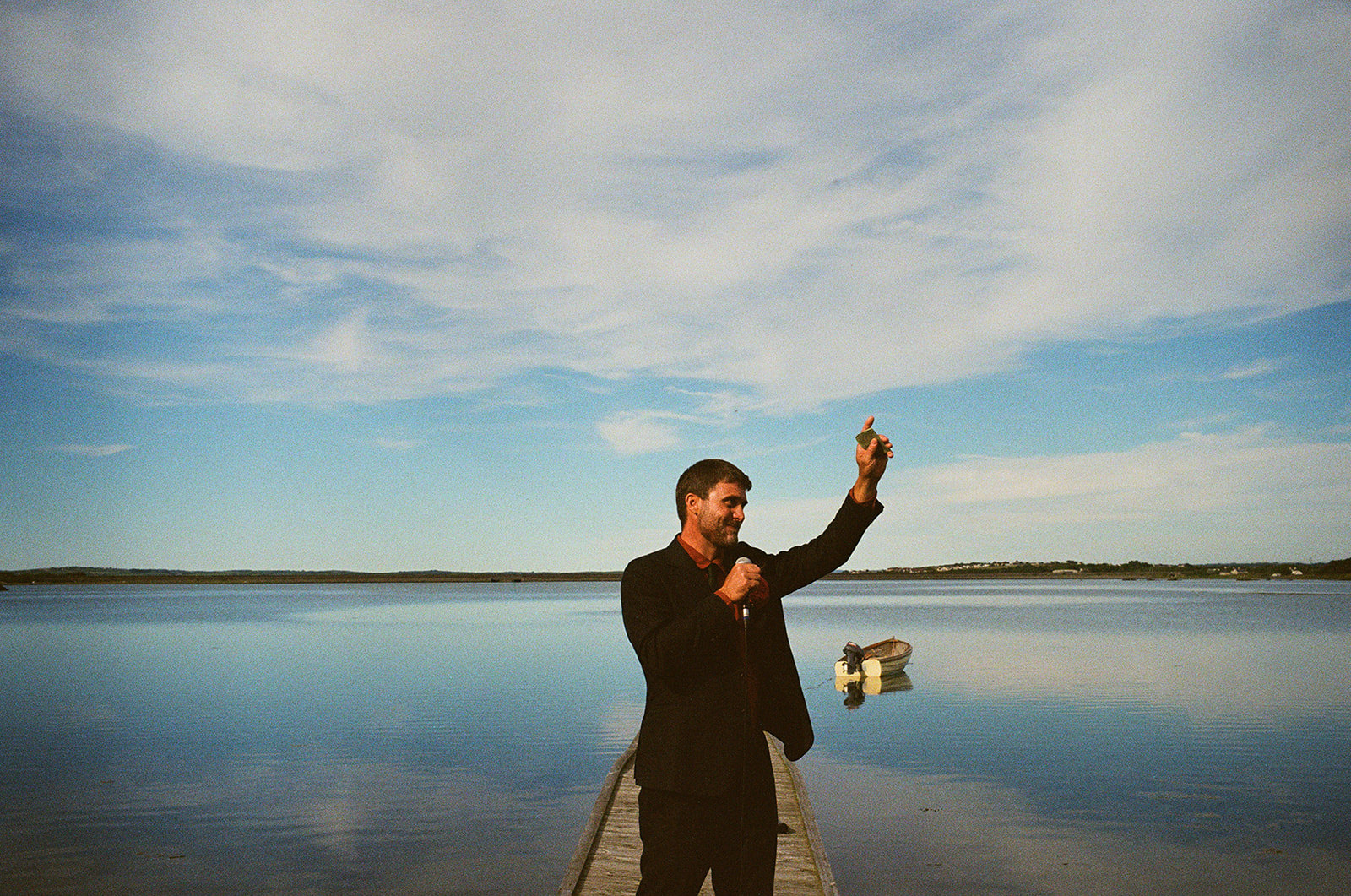
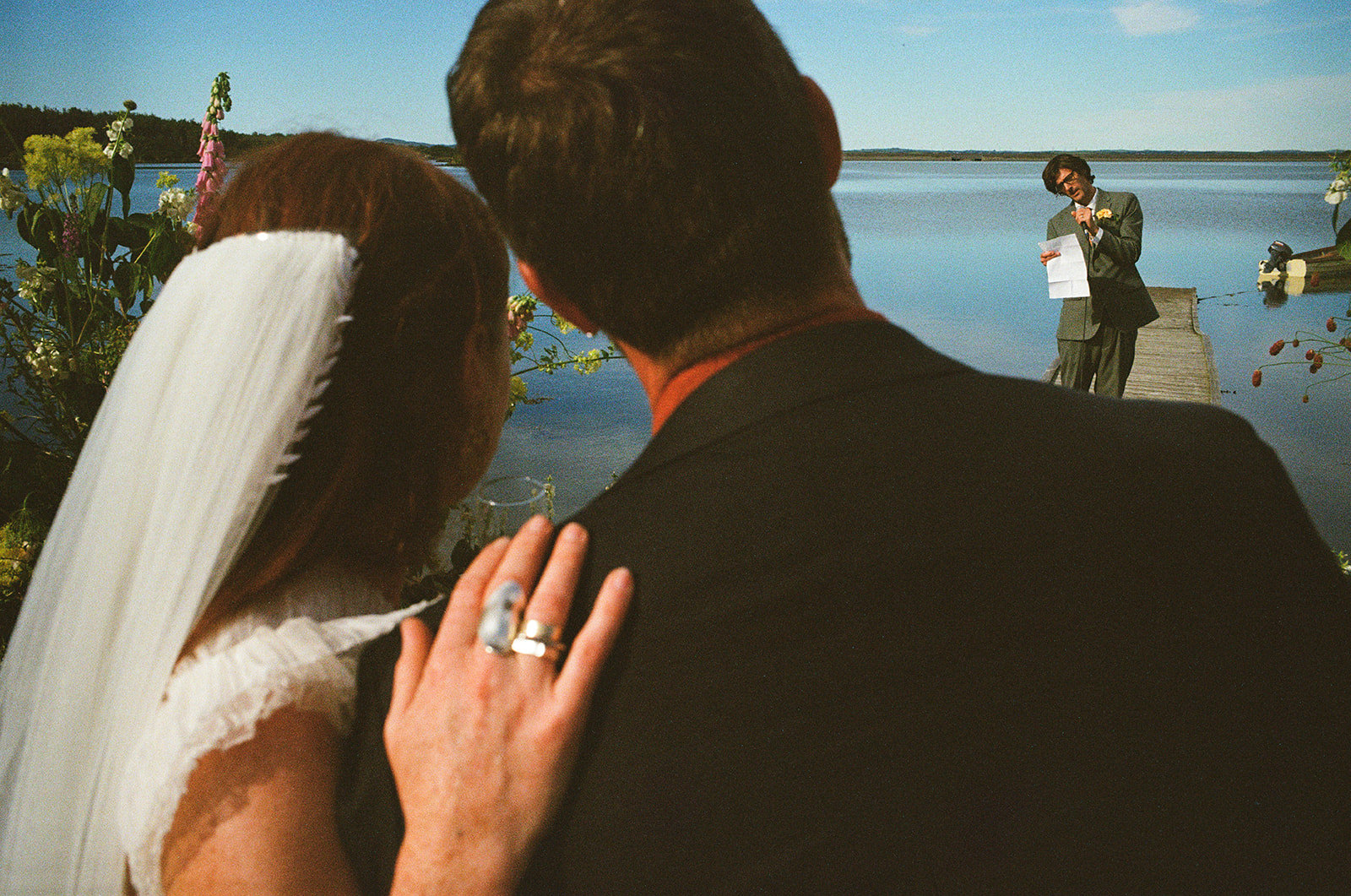
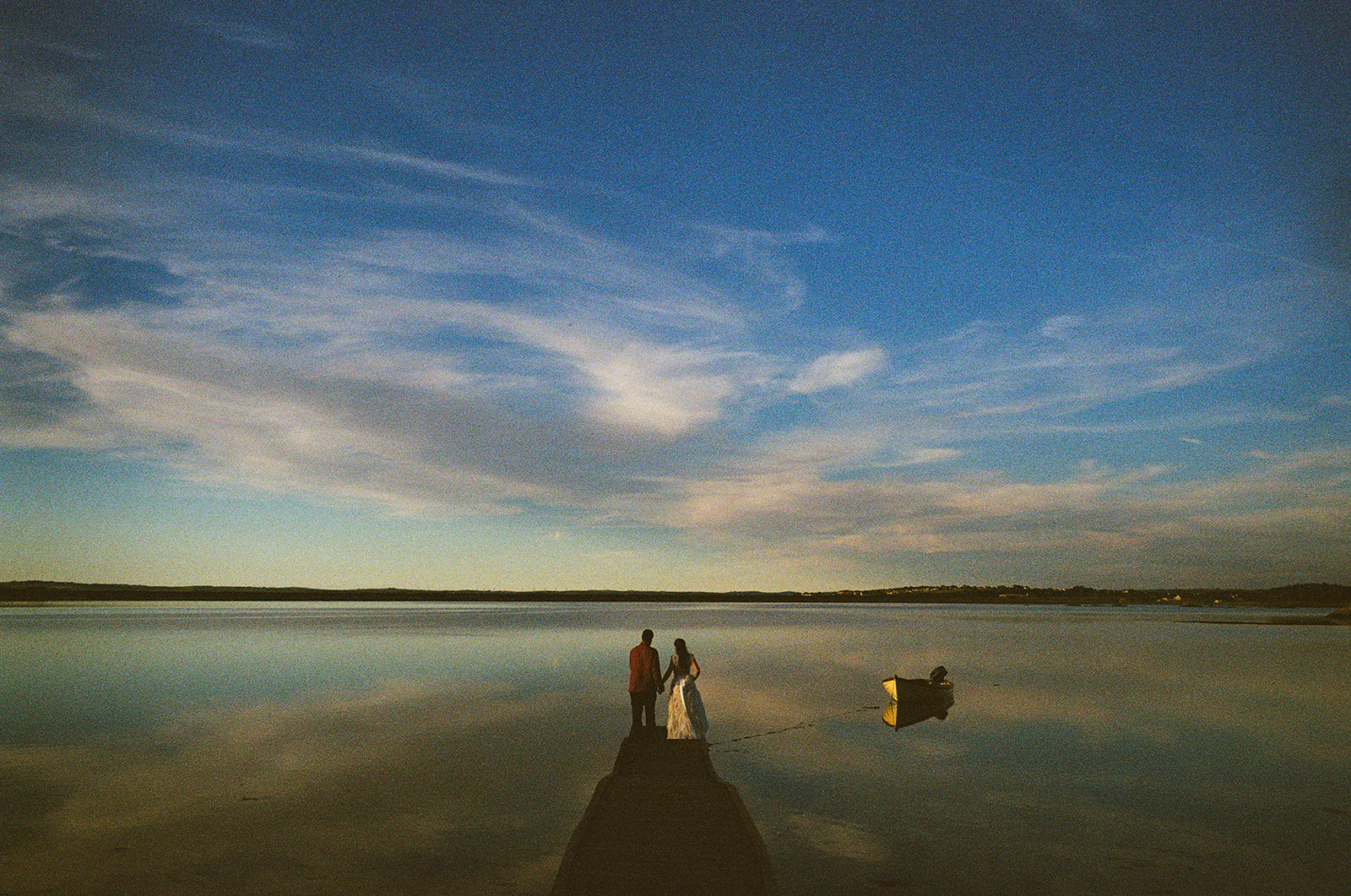
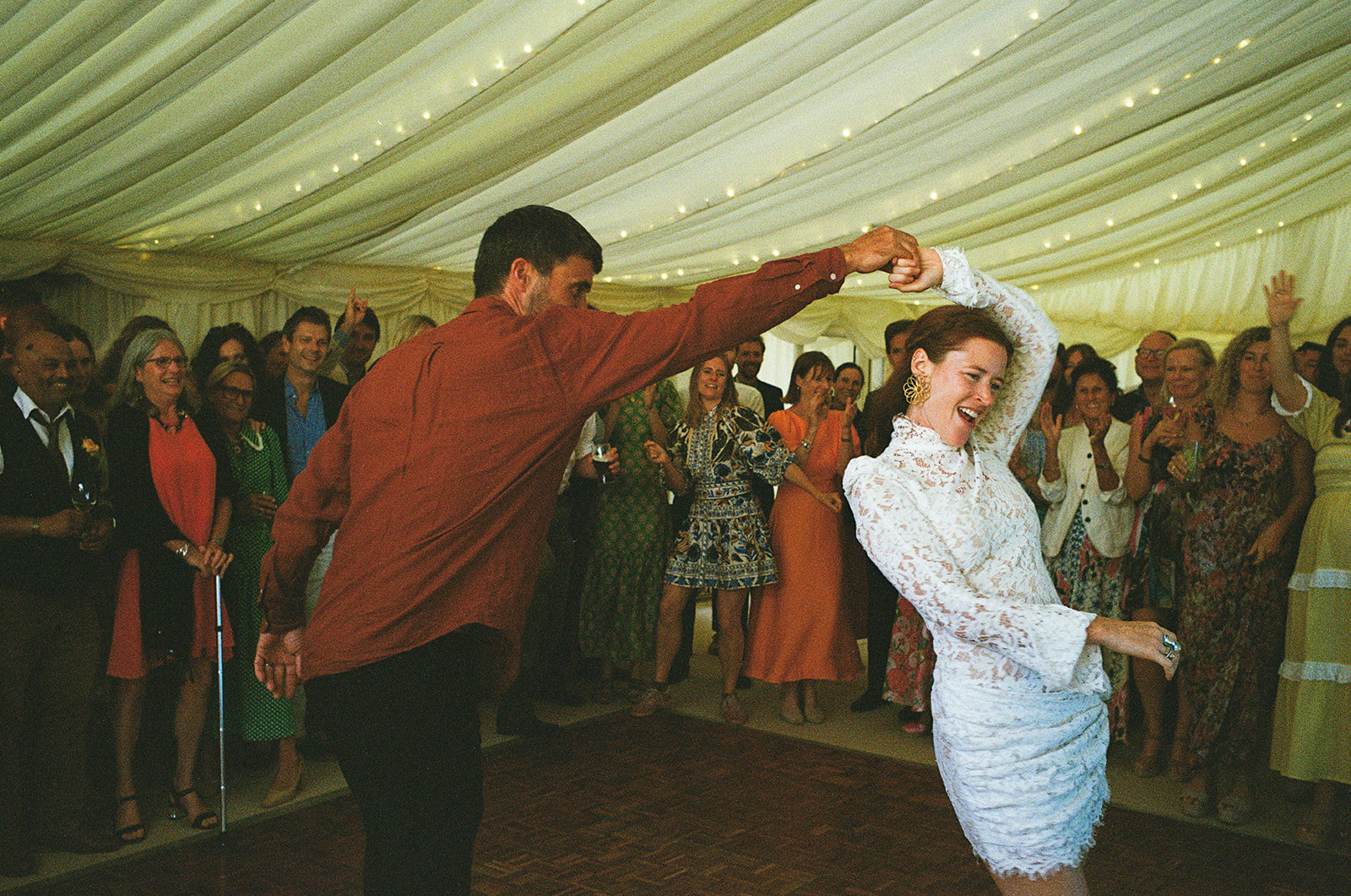
Shot on Fujifilm Superia 200 | Leica MP

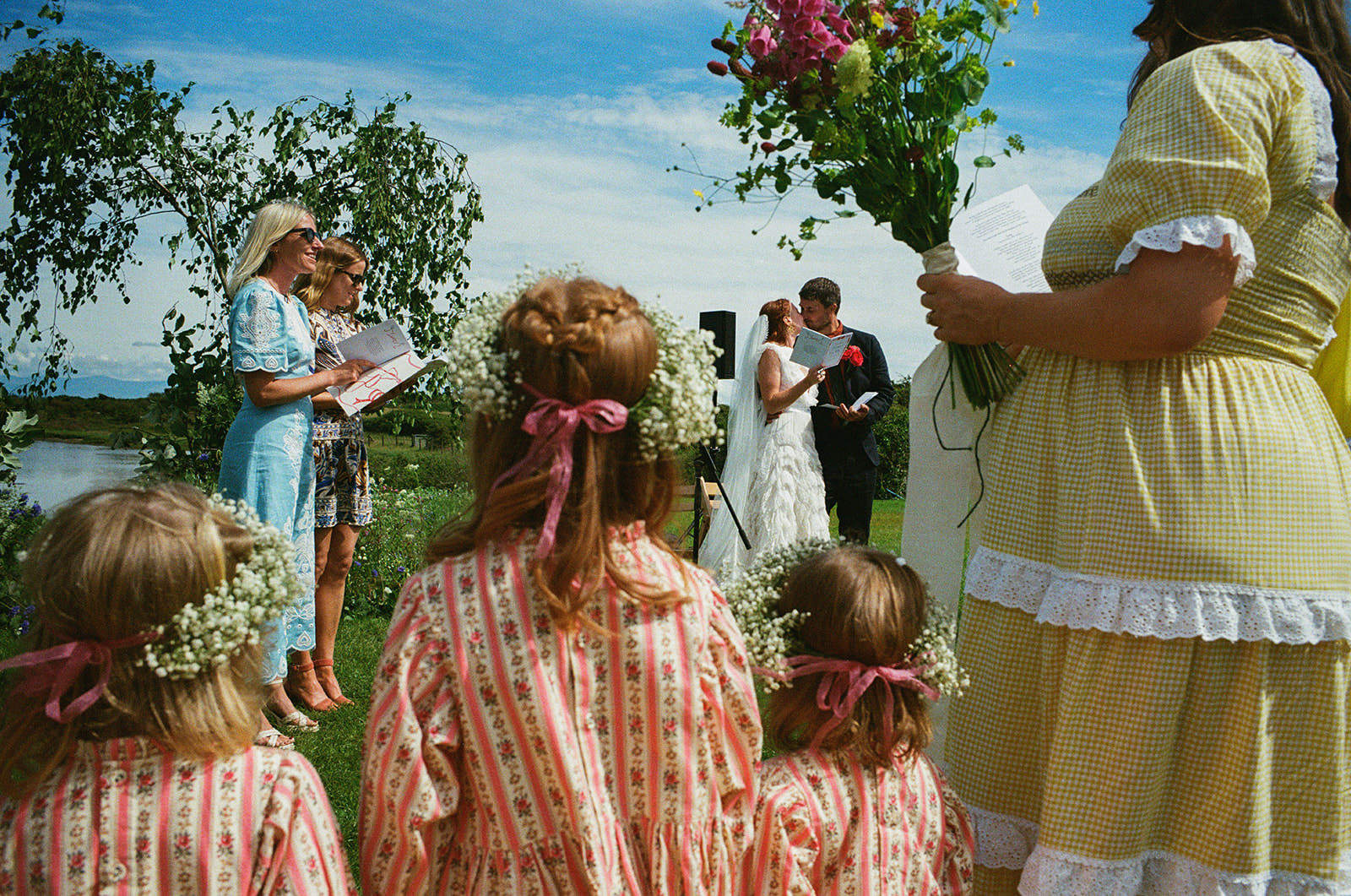

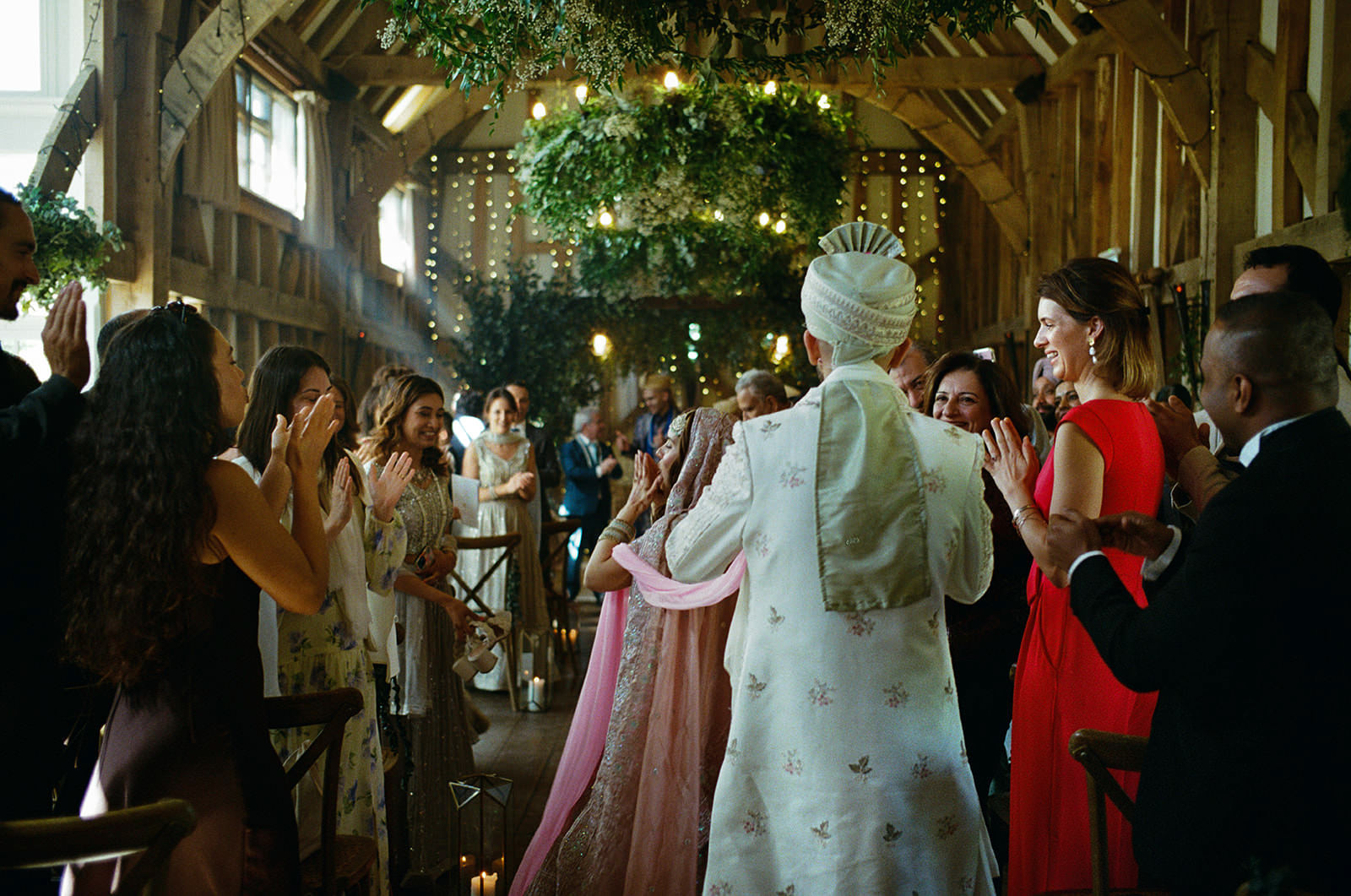
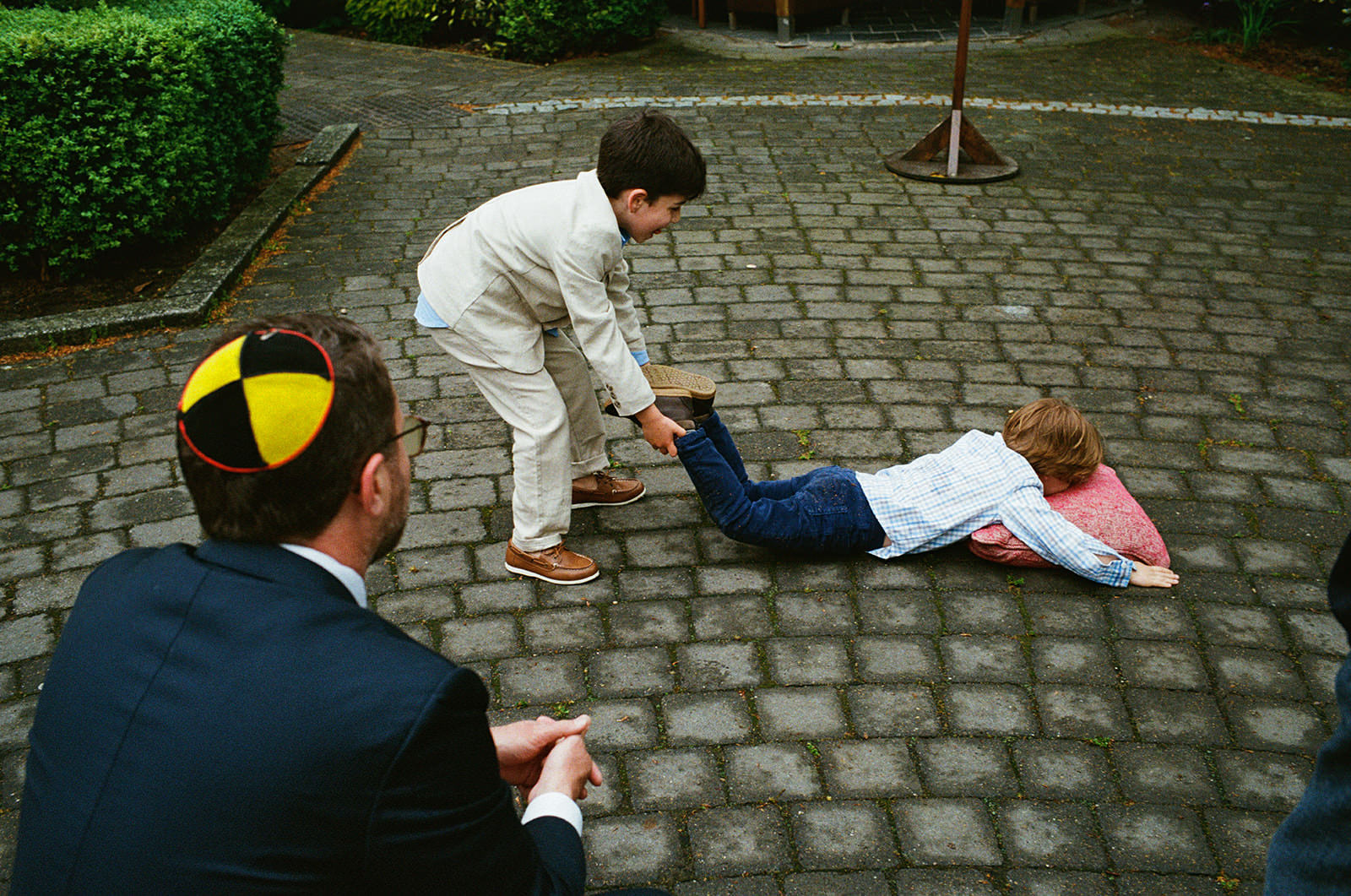







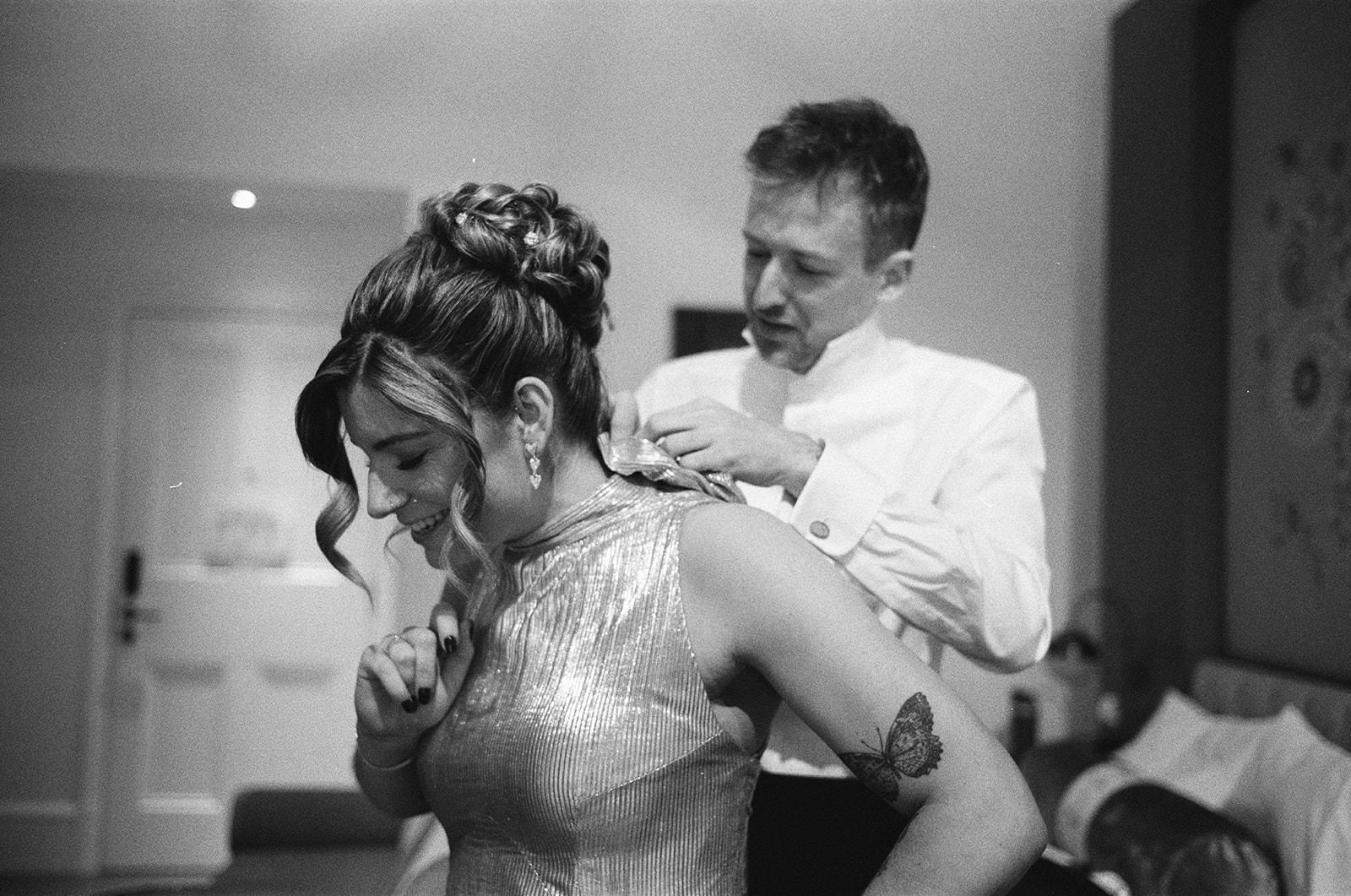
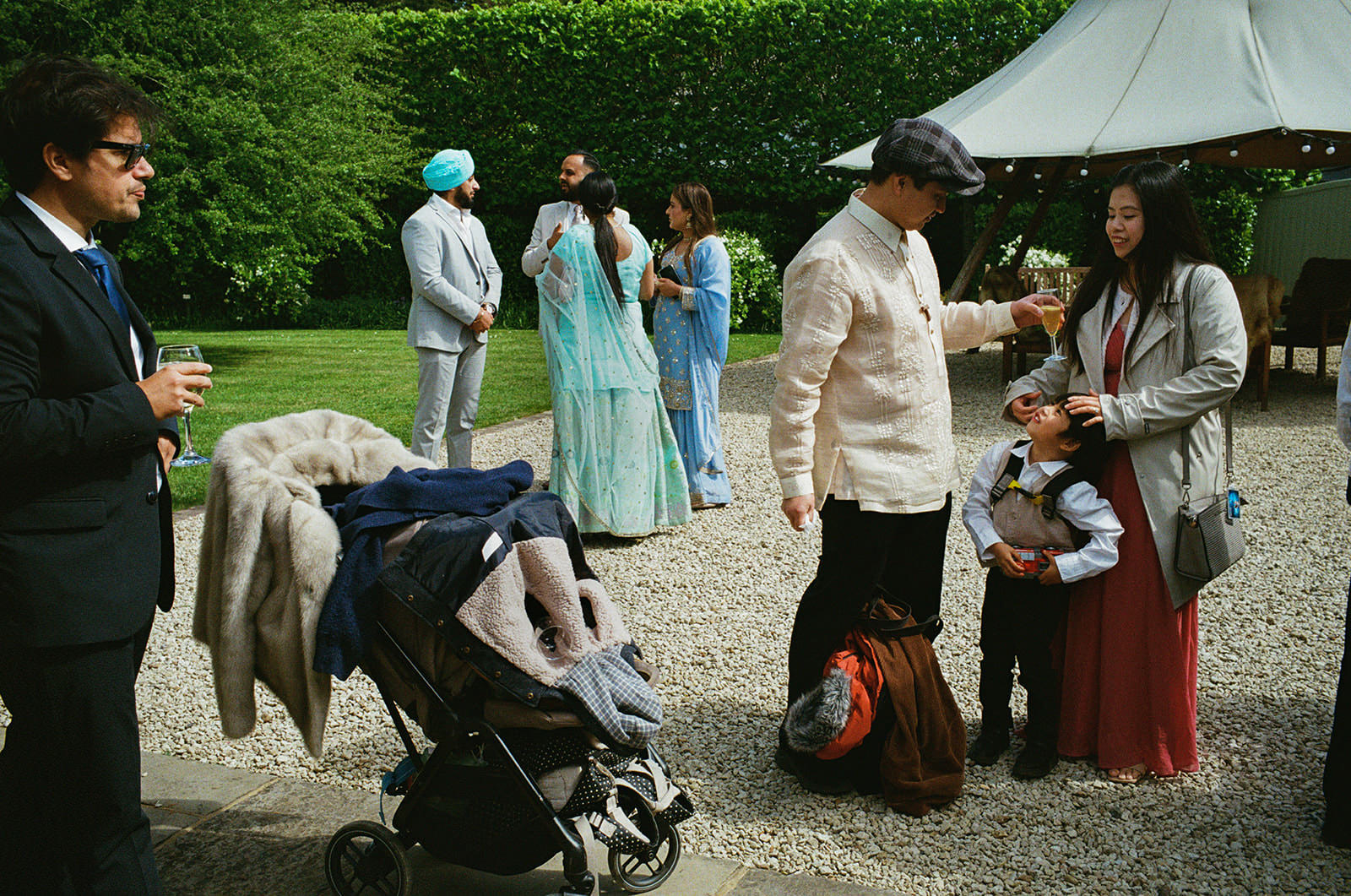
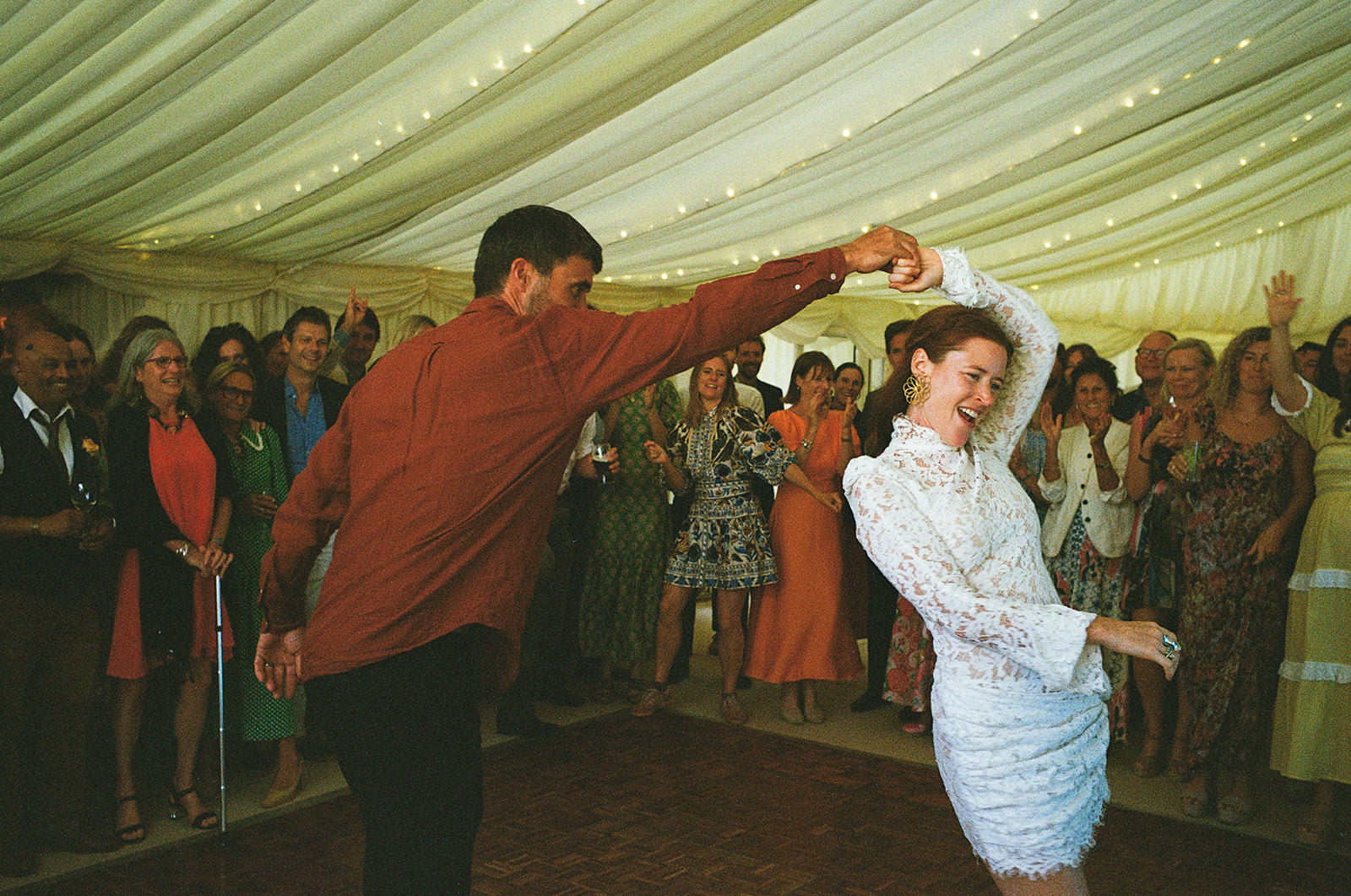

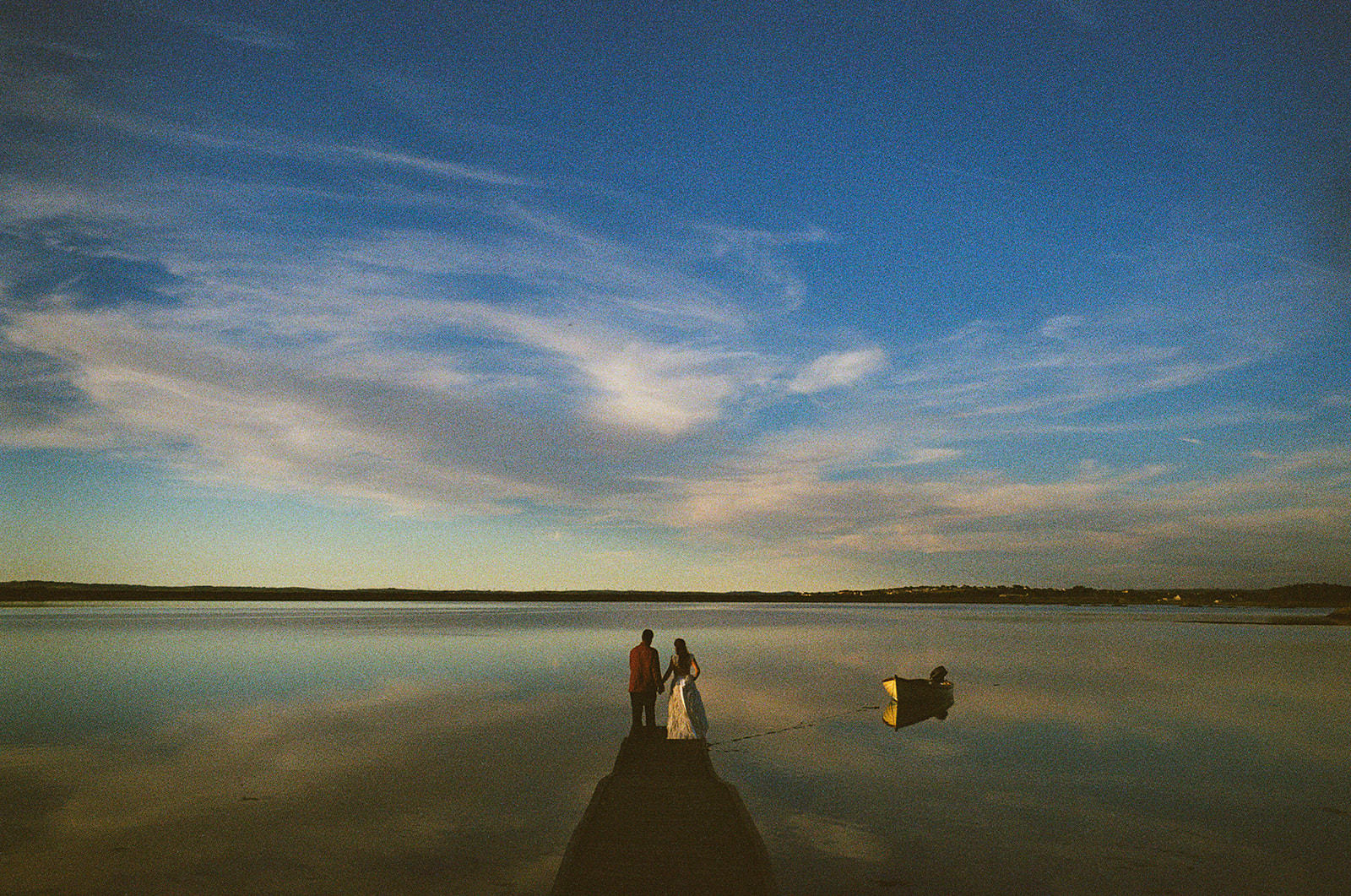
Authentic, Unfiltered Analogue
View a Real Wedding
Captured on 35mm Film






Seamless, Uninterrupted Storytelling
The approach
Having two of us means you get the absolute best of both worlds: our comprehensive digital coverage running seamlessly alongside the creation of your authentic analogue story.
The 35mm Film Story Add-on
Looking for our moving image work?
The Analogue-only Package
Contact us for analogue only pricing
Film feels like a memory ...
We now offer days shot purely on film, to accentuate that raw, grainy, intangible feel to the photographs. Our work has always been about capturing not just how something looks but how it feels, and film simply captures that atmosphere better than any other medium can.
We'll also have a digital backup camera on hand just in case of emergencies, so you can rest assured that your memories will be captured no matter what.
Film Vs Digital Wedding Photography: Why Our Approach Doesn't Change
When we started out, developing our own prints in the chemical biohazard that was the attic of our parents' blacked-out makeshift dark-room, we learned the importance of getting it just right, first time. Armed, back then, with our (sort-of) trusty Canon A-1's we spent our days shooting and inventing projects and our nights seeing them appear magically under red-light, and poring over books to find more inspiration for the next day.
Digital became a natural step for wedding photography, and the freedom from the expense of film was the key to allowing us to become more experimental, to take more frames and more risks. To hone our craft and learn to capture unexpected, completely spontaneous moments, not to play it safe in order to avoid paying to develop mistakes. Take a look at our armoury of cameras down the years though, and you’d be forgiven for thinking we’ve been quietly trying to recreate the 35mm experience all along.
Fujifilm XPro-2, X100Vi (and original), X-E3, X-T1 ...
When it comes to digital we've always found home in the "street-style" Rangefinder-esque cameras created by Fujfilm, and not only do the cameras feel like the analogue bodies we first fell in love with, we've also always treated them the exact same way:
Fully manual, film stock ISO's (400, 800. 1600, 3200), embracing grain and, most importantly, getting it right in-camera, not cropping and editing in post.
We never actually gave up on analogue - our original Leica MP was one of our most prized possessions and regularly came out for street trips and personal work. But not only was digital (with these "retro-fit" cameras) also a format we fell in love with, the safety and freedom of experimentation that they provided meant they inevitably became the natural choice for professional wedding photography.
Until now ...
20 years of shooting weddings of every culture, feel and lighting condition imaginable, fully developing our photographic vision and building true clarity in our artistic voice, and doing it all whilst shooting in an analogue style, means that switching mediums is as seamless to us as changing SD cards or swapping a roll of film. Whether we're moving between the two or shooting film only, nothing changes in our style.
We don't try to slow down the action for film, we don't close down the layers or soften the focus. The switch is seamless; the intention is pure and equally deliberate. We never click the shutter without purpose, we never take a photograph that we couldn't justify to the subject or to ourselves. We've always tried to treat our photographs like the last shot on the roll, whether that's the reality or not.
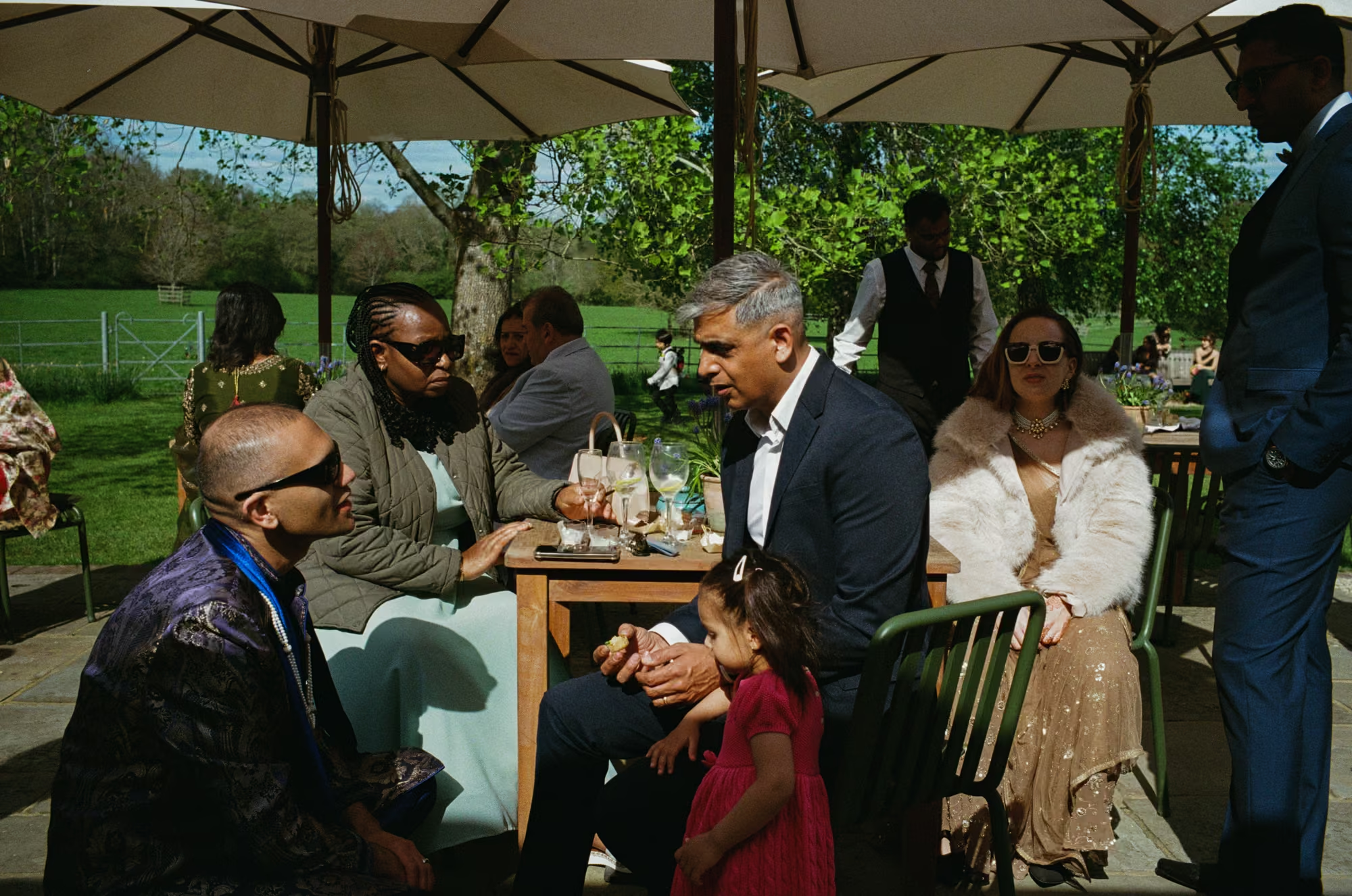

There's a real thrill in that - perhaps even another level of focus - drowning out everything around us to invest fully in that one and only tiny particle of time in which every element lined up and interacted perfectly. There's a second thrill in receiving the scans and seeing whether it came off the way we saw it. It's not better or worse than the joy of capturing it in digital, it's just ... different.
Digital is freedom. There's no barrier to risk, no cost to experimentation. It's the greatest medium out there for capturing unlimited stories and every last moment of your wedding day.
But if you want those moments to truly feel like memories, film is yet to be surpassed.
Analogue Film Wedding Photography: Frequently Asked Questions
Will shooting on film interrupt the flow of our day?
Not at all. We treat our 35mm cameras just like our digital ones – as seamless tools to document your celebration. There are no awkward announcements or pausing the party to “switch to film.” Because there are two of us, we simply weave the analogue photography into our natural, unobtrusive approach, capturing the genuine atmosphere of your day exactly as it happens.
How many film photographs will we receive?
Shooting on real film is a very deliberate and intentional process. Rather than focusing on an exact number, we focus on curation. We take our time to make every single frame count, ensuring that by the end of the day, we have captured a beautifully cohesive narrative with a distinct beginning, middle, and end.
Are the film photographs high quality? Can we print them?
Yes. To ensure the authentic texture, depth, and characteristic grain of the 35mm film are perfectly preserved, all of our negatives are scanned at a very high resolution. The final images you receive are beautiful, premium files that look incredible on screens and print flawlessly.
How do we receive our film photographs?
While analogue film is a physical medium, you won’t just be receiving a stack of traditional prints! We have all of your negatives professionally developed and scanned at a very high resolution. You will receive these digital files in the same final online gallery as your main digital wedding photos. They sit in their own dedicated, standalone collection alongside your digital colour edits, black-and-white collection, and custom slideshow, making them incredibly easy to view, download, share online, and print.
Do we have to choose between digital and film?
No, our 35mm analogue coverage is designed as an exclusive add-on to our standard digital packages. You get the absolute best of both worlds: our comprehensive, exhaustive digital coverage, plus a beautifully curated, standalone story told purely on real 35mm film.
What type of cameras do you use?
Most of our analogue film work is captured on the legendary Leica MP – a classic fully manual rangefinder, favoured by incredible street photographers and photojournalists such as Stuart Franklin, Alfred Eisenstaedt and Matt Stuart.
What film stocks do you use?
We love exploring the distinct colours, fine grain, and textures of different film stocks, and our choice always depends on the atmosphere and light of your day.
For daytime coverage, we particularly favour Kodak Ultramax 400 – its vibrant tones make it the perfect analogue companion to our digital work. As day turns to night, we often switch to timeless monochrome using high-speed, fast film like Ilford Delta 3200 to capture rich, moody textures in low light.
Do you use Flash?
For our film work, yes! (When the room and the moment calls for it!)
Whilst our priority is always discretion, Film just works beautifully alongside Flash on those busy dance floors and moody evenings and accentuates a cool, editorial feel.
We never use flash for digital work, so if you’re choosing a hybrid Digital and Analogue package you get the best of both worlds – subtle, “invisible” digital images, captured in the dark using only available light (leaving everyone unaware of the cameras and staying in the mood!) and just a very occasional on-camera flash fired for some cool, editorial style film photography.